

 888-970-5729
 1300+
1300+- Lo que los conductores de California deben saber (y cómo puede ayudarles un abogado)
- Cómo detectar defectos de seguridad y tomar medidas hoy mismo
- Información general sobre las llamadas a revisión de seguridad de los airbags de Honda y otros vehículos afectados.
- Información sobre la llamada a revisión de los airbags Takata para vehículos Honda y Acura.
- Recientes retiros de airbags de Honda, incluyendo el Odyssey.
- Servicios de detección de defectos de seguridad ofrecidos por distribuidores autorizados.
- Señales de advertencia de airbags laterales defectuosos que los propietarios de vehículos deben tener en cuenta
- Airbags defectuosos relacionados con accidentes de tráfico: cuándo podría tener derecho a una indemnización.
- Indemnización para los propietarios de vehículos tras un accidente
- Cómo puede ayudar un abogado de accidentes automovilísticos de California en casos de retiro de bolsas de aire.
- Qué hacer si resultó herido por una bolsa de aire de Honda en California.
- Si sufrió una lesión relacionada con una llamada a revisión de bolsas de aire, comuníquese con nuestro bufete de abogados.
Desde modelos antiguos con infladores Takata que pueden explotar hasta las nuevas minivans Odyssey con despliegue inesperado de bolsas de aire laterales, millones de vehículos Honda y Acura están siendo retirados del mercado debido a defectos potencialmente mortales en las bolsas de aire.
Lo que los conductores de California deben saber (y cómo puede ayudarles un abogado)
Un defecto de software ha provocado una llamada a revisión de los airbags de Honda, lo que afecta a 44.000 vehículos. Este retiro está vinculado a numerosos lesiones por airbag causado por un despliegue inesperado.
Los riesgos derivados de defectos en los vehículos también afectan a las marcas GM (Chevrolet Silverado, GMC Sierra), Chrysler, Dodge y Jeep. A continuación, se detalla lo que los propietarios de vehículos de estos modelos deben saber, así como qué hacer en caso de sufrir lesiones en un accidente de tráfico debido a un defecto en el vehículo.
Cómo detectar defectos de seguridad y tomar medidas hoy mismo
Los propietarios de ciertos vehículos Honda y Acura, en particular los modelos de 2001 a 2016 y el Odyssey de 2018 a 2022, deben estar al tanto de una llamada a revisión crítica y peligrosa relacionada con las bolsas de aire que requiere una acción inmediata.
Debido a un defecto de seguridad, la Administración Nacional de Seguridad del Tráfico en las Carreteras (NHTSA) ha emitido advertencias de "No conducir" para algunos vehículos antiguos. Si cree que su vehículo podría tener un defecto, esto es lo que puede hacer ahora mismo:
- Deje de conducir inmediatamente Si ha recibido un aviso de "No conducir" o "Estacionar afuera" de un concesionario, fabricante o la NHTSA
- Consulta el estado de tu retirada utilizando su número de identificación del vehículo (VIN) de 17 dígitos en Sitio web de retirada de productos de la NHTSA o Sitio web oficial de Honda
- Programe una reparación gratuita contactando Servicio al cliente de Honda o directamente a su distribuidor local.
- Solicita un coche de sustitución o transporte alternativo si su vehículo no es seguro para conducir mientras espera las piezas de repuesto.
En el caso específico de los propietarios de California, las temperaturas cálidas en regiones como Inland Empire, el Valle Central y los desiertos del sur de California aceleran la degradación de los infladores Takata.
No es necesario esperar a recibir una notificación por correo para estar al tanto de cualquier defecto. En su lugar, consulte la información de su vehículo utilizando los recursos proporcionados.
Si usted resultó herido en un accidente
Si usted o un familiar resultó herido por una bolsa de aire defectuosa o que explotó en California, comuníquese de inmediato con el abogado Jeff Car Accident Lawyer para una consulta gratuita sobre su posible reclamo por responsabilidad del producto o accidente automovilístico.
Información general sobre las llamadas a revisión de seguridad de los airbags de Honda y otros vehículos afectados.
Honda y Acura representan decenas de millones de esas unidades, que afectan principalmente a los modelos de los años 2001 a 2016, pero el problema no se limita a los vehículos más antiguos.
A nivel nacional, aproximadamente 67 millones de infladores de bolsas de aire Takata Se han producido retiros del mercado en varios fabricantes de automóviles, no solo en Honda. Las marcas de GM, incluidas Chevrolet y GMC, así como Dodge, Chrysler, Jeep e incluso SAAB, se han enfrentado a campañas de seguridad relacionadas.
Honda ha sido uno de los fabricantes más afectados por la crisis nacional de los airbags Takata. Además de Takata, se siguen anunciando campañas de retirada de seguridad adicionales, incluyendo problemas con los airbags laterales defectuosos de los modelos Odyssey de 2018 a 2022. Las dos categorías principales de retiradas de airbags de Honda incluyen:
- Infladores de bolsas de aire frontales Takata 2001 – 2016: Explosión del inflador metálico durante el despliegue
- Defectos de sensores/software no relacionados con Takata (2018-2022): Despliegue inesperado o fallo en la supresión
Información sobre la llamada a revisión de los airbags Takata para vehículos Honda y Acura.
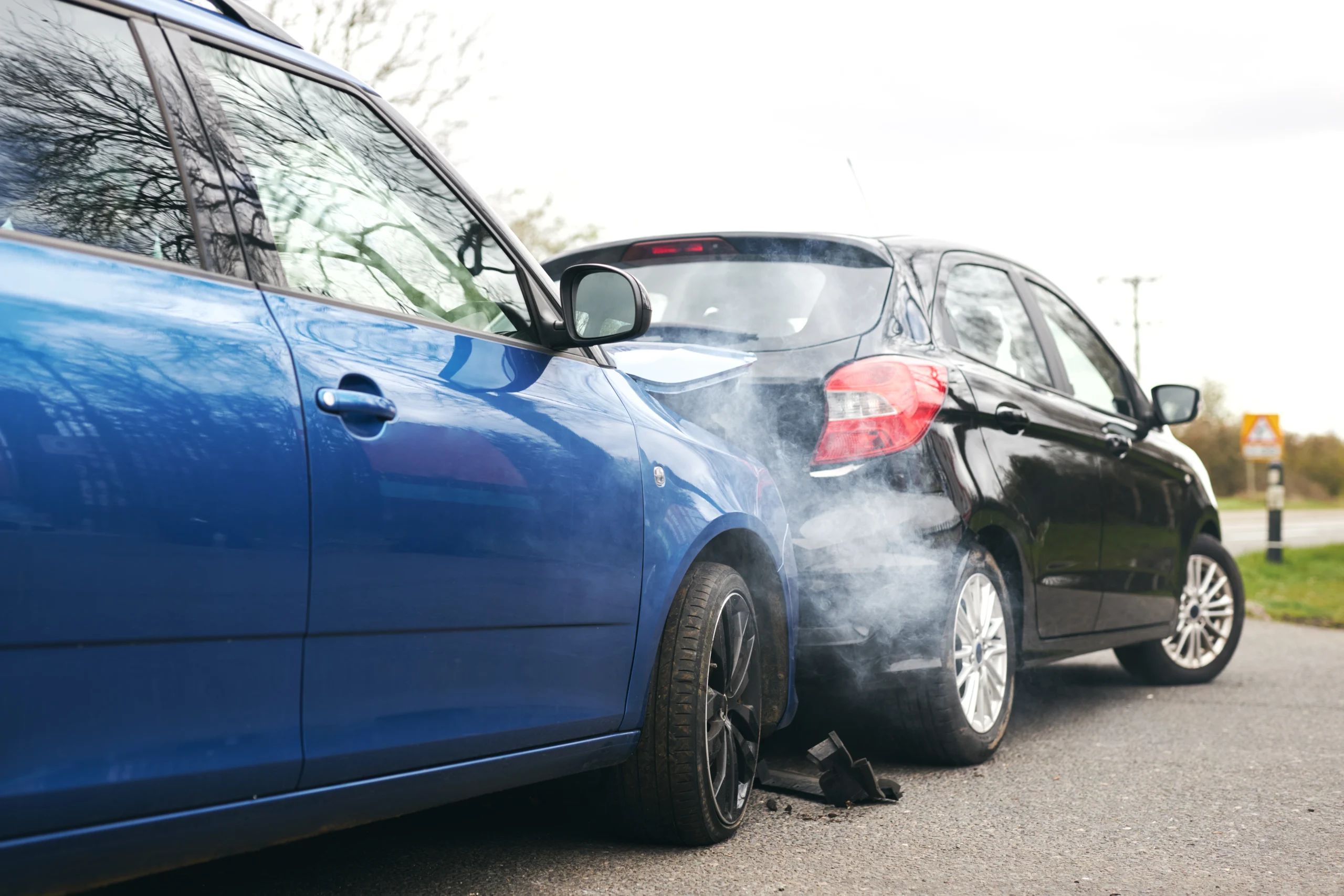
La retirada de vehículos Takata representa una de las mayores retiradas de seguridad automotriz de la historia. El defecto de seguridad se debe al uso por parte de Takata de infladores a base de nitrato de amonio, que pueden degradarse con el tiempo al exponerse a altas temperaturas y humedad durante periodos prolongados.
Cuando el airbag se despliega en un choque, el propelente degradado puede quemarse demasiado rápido, lo que provoca que la carcasa metálica del inflador se rompa y proyecte fragmentos metálicos afilados en el habitáculo. Los propietarios de vehículos Honda y Acura afectados incluyen los modelos de 2001 a 2016 de:
- Honda: Civic, Accord, CR-V, Pilot, Fit, Odyssey, Insight, HR-V, Ridgeline
- Acura: TL, TSX, MDX, RDX, ILX
Múltiples muertos y cientos de heridos En Estados Unidos, se han vinculado varios incidentes con los airbags de Takata, y una parte sustancial de estos incidentes involucran vehículos Honda.
Qué saber sobre las reparaciones por retiro del mercado
El despliegue formal de la campaña de retirada se aceleró entre 2014 y 2015 y se extendió gradualmente hasta aproximadamente 2019. Sin embargo, numerosos vehículos incluidos en estas campañas siguen sin repararse, ya que muchos propietarios registrados pueden haberse mudado, ignorado los avisos por correo o simplemente desconocen el peligro.
Todas las reparaciones de Takata derivadas de retiros del mercado son gratuitas, incluyendo piezas y mano de obra., Estas reparaciones son realizadas por concesionarios autorizados de Honda y Acura. La reparación gratuita suele durar aproximadamente una hora y consiste en reemplazar el cartucho inflador original por uno de diseño más seguro, por lo que los propietarios de vehículos afectados no tendrán que desembolsar ningún dinero.
Recientes retiros de airbags de Honda, incluyendo el Odyssey.
Además de Takata, los modelos Honda más recientes siguen sujetos a retiros del mercado que requieren atención. Un retiro importante afecta a aproximadamente 440 000 minivans Honda Odyssey de los años modelo 2018 a 2022.
La llamada a revisión del Odyssey se debe a un software de control de airbags excesivamente sensible que puede provocar el despliegue inesperado de los airbags de cortina laterales o el mal funcionamiento de los airbags laterales. Esto puede ocurrir cuando el conductor pasa por un bache, un reductor de velocidad o escombros en la carretera; situaciones en las que el despliegue de los airbags nunca debería ocurrir, especialmente con pasajeros a bordo.
Este problema se ha relacionado con al menos Según datos de principios y mediados de la década de 2020, se reportaron 25 lesiones., incluyendo traumatismos en la cabeza, el cuello y la parte superior del cuerpo.
Honda notificó a los propietarios registrados por correo sobre este retiro del mercado. La solución suele consistir en una actualización de software o el reemplazo de la unidad de control del airbag. Como en todos los retiros de seguridad de Honda, la reparación es totalmente gratuita.
Servicios de detección de defectos de seguridad ofrecidos por distribuidores autorizados.
Todo propietario de un Honda en California debería revisar si hay retiros del mercado pendientes al menos una vez al año, incluso si no ha recibido ninguna notificación. Los avisos de retiro del mercado pueden extraviarse, especialmente si se ha mudado o ha comprado un vehículo usado. Mientras su vehículo está en reparación, visite un concesionario local y solicite los siguientes servicios:
- Vehículo de sustitución mientras se realizan las reparaciones.
- Servicio de transporte desde y hacia el concesionario.
- Opciones de reparación móvil para ciertos retiros del mercado.
Para utilizar estos servicios, necesitará su licencia de conducir, la tarjeta del seguro y el registro del vehículo. Consulte con su distribuidor sobre la posibilidad de programar citas para el mismo día y si tienen repuestos en stock.
Señales de advertencia de airbags laterales defectuosos que los propietarios de vehículos deben tener en cuenta
Los airbags defectuosos presentan dos peligros distintos: algunos fallan durante un choque, mientras que otros se despliegan cuando no deberían. Ambos escenarios pueden causar lesiones graves a conductores y pasajeros. Las señales de advertencia de un equipo defectuoso incluyen:
- Luz de advertencia del airbag iluminado en el tablero, que no desaparece
- Despliegue del airbag por un pequeño golpe, al pasar por un bache o sin ningún impacto
- Se reporta un fuerte sonido de disparo. y fragmentos metálicos afilados después del despliegue (especialmente en Hondas más antiguos con infladores Takata).
Incluso un choque relativamente leve puede volverse catastrófico si una bolsa de aire se despliega inesperadamente o explota. Los niños y los adultos de menor estatura corren un riesgo particular, ya que su posición los hace vulnerables a la fuerza de las bolsas de aire y la metralla, lo que subraya la importancia de la concienciación sobre la seguridad en las familias.
Airbags defectuosos relacionados con accidentes de tráfico: cuándo podría tener derecho a una indemnización.
Independientemente de si el vehículo averiado es un Honda, Acura, Chevrolet Silverado, GMC Sierra, Jeep, Dodge o Chrysler, los principios legales fundamentales siguen siendo los mismos: usted tiene derecho a reclamar una indemnización. Existen dos escenarios legales generales en los que se puede presentar una demanda por lesiones personales.
Escenario 1: Involucrado por un defecto de seguridad
Accidente provocado por negligencia, lesiones agravadas por un defecto. Otro conductor provoca una colisión por exceso de velocidad, enviar mensajes de texto al volante o conducir bajo los efectos del alcohol o las drogas, mientras que el airbag defectuoso del Honda se despliega incorrectamente o explota, causando lesiones mucho peores que las que habría provocado un airbag que funcionara correctamente.
En estos casos, las víctimas pueden presentar demandas por lesiones personales tanto contra el conductor negligente como contra el fabricante del automóvil.
Escenario 2: Que implica un defecto de seguridad
Un defecto en el airbag puede causar lesiones graves incluso sin un choque importante. El airbag puede desplegarse o explotar, liberando fragmentos, simplemente al pasar por un bache o un hoyo. Esto puede provocar lesiones causadas directamente por el propio airbag.
En estos casos, los principales responsables son el fabricante del vehículo y los proveedores de componentes, como Honda, GM, General Motors o cualquier otra marca con retiradas del mercado sin reparar.
Demostrar un defecto de seguridad en un airbag suele requerir el testimonio de un perito, acceso al vehículo y la conservación minuciosa del módulo y el inflador del airbag. Un abogado con experiencia en accidentes de tráfico ofrece todos estos servicios, garantizando que las víctimas reciban un proceso legal justo.
Indemnización para los propietarios de vehículos tras un accidente
Una pieza defectuosa del vehículo, como un airbag averiado, puede combinarse con la negligencia de otro conductor para causar lesiones devastadoras y evitables. lesiones por accidentes automovilísticos Entre los problemas asociados con los airbags defectuosos se incluyen:
- Cortes y laceraciones faciales graves
- Lesiones oculares, incluyendo la pérdida permanente de la visión.
- Fractura de nariz, mandíbula o huesos faciales
- Heridas en el cuello y daños en la arteria carótida
- Traumatismos torácicos y quemaduras
- Pérdida de sangre fatal en casos graves, o incluso la muerte.
En Attorney Jeff Car Accident Lawyer, entendemos que varios factores pueden contribuir a lesiones graves en accidentes automovilísticos, y en caso de un accidente de este tipo, las víctimas lesionadas pueden buscar daños compensatorios para:
- Facturas médicas y atención médica futura
- Pérdida de salarios y pérdida de capacidad de ingresos
- Dolor y sufrimiento
- Desfiguración y cicatrices
- Indemnización por muerte injusta si fallece un ser querido.
Cómo puede ayudar un abogado de accidentes automovilísticos de California en casos de retiro de bolsas de aire.

El abogado Jeff Car Accident Lawyer se especializa en representar a personas lesionadas en accidentes automovilísticos y casos de vehículos defectuosos en todo California. Así es como nuestro bufete puede ayudarle con casos de retiro de bolsas de aire:
- Investigación – Determine si su Honda formaba parte de una llamada a revisión de bolsas de aire de Honda conocida y si el defecto de seguridad contribuyó a sus lesiones.
- Recopilación de documentación – Obtener información sobre retiros del mercado de Honda, registros de servicio del concesionario y análisis de expertos del sistema de bolsas de aire.
- Identificación de los responsables – Localizar a todos los demandados potencialmente responsables y las pólizas de seguro, incluidos fabricantes como Honda o General Motors, proveedores de repuestos, otros conductores y, en ocasiones, empleadores o empresas de transporte compartido.
- Negociación y litigio – Gestionar las negociaciones con grandes corporaciones y sus compañías de seguros, y prepararse para un posible juicio si fuera necesario.
Nuestro bufete opera bajo una estructura de honorarios condicionales, por lo que los clientes no pagan ningún costo por adelantado y nosotros no cobramos honorarios de abogados a menos que obtengamos una compensación a través de un acuerdo o un veredicto.
Qué hacer si resultó herido por una bolsa de aire de Honda en California.
El tiempo es crucial tras una lesión provocada por el airbag, tanto para su salud como para preservar sus derechos legales según el plazo de prescripción de California. Por lo tanto, es fundamental seguir los siguientes pasos lo antes posible:
1. Busque atención médica
Acude a urgencias y sigue todas las recomendaciones de tratamiento, incluso si las lesiones parecen leves al principio.
2. Conservar el vehículo
No permita que su vehículo sea desguazado, reparado o modificado hasta que un abogado le asesore; el módulo del airbag y el inflador son pruebas fundamentales.
3. Documenta todo
Tómese fotos del interior del vehículo, del despliegue del airbag, de cualquier fragmento de metal visible y de sus lesiones lo antes posible.
4. Recopilar registros
Conserve copias de los avisos de retirada del mercado, los registros de reparación del concesionario, los historiales médicos y todas las facturas, ya que estos documentos serán esenciales para su caso.
5. Contacte a un abogado de inmediato.
Comunícate con un abogado con experiencia en accidentes automovilísticos Para una evaluación gratuita y sin compromiso de su caso.
Consigue tu Consulta de caso gratuita
Sin costos iniciales para usted ni su familia. Nos esforzamos por obtener una compensación justa y equitativa para nuestros clientes.
Si sufrió una lesión relacionada con una llamada a revisión de bolsas de aire, comuníquese con nuestro bufete de abogados.
En casos de lesiones graves, nuestro bufete de abogados especializado en lesiones personales puede organizar investigaciones independientes, consultar con expertos en reconstrucción e ingeniería y comunicarse con las aseguradoras para que usted pueda centrarse en su recuperación.
California generalmente impone una plazo de prescripción de dos años En reclamaciones por lesiones personales, demorarse más allá de este plazo puede anular permanentemente su derecho a reclamar una indemnización, independientemente de la solidez de su caso.
Programe una consulta gratuita
Si sospecha que un defecto en el airbag de Honda tuvo algún papel en sus lesiones o en la muerte de un ser querido, Jeff te tiene.
Llamar Abogado Jeff, abogado de accidentes automovilísticos Hoy mismo. La consulta es gratuita y obtendrá respuestas claras sobre sus opciones legales.

Escrito por
Michelle Jaco
Estratega de contenido y redactora publicitaria radicada en el Condado de Orange, cuenta con más de diez años de experiencia profesional en redacción. Licenciada en Inglés por la Universidad Estatal de San Diego, se especializa en la creación de identidad de marca y la mejora de la interacción con el lector, con experiencia en contenido legal, redacción publicitaria para startups de software y branding de estilo de vida. Cuando no está escribiendo en su cafetería favorita, Michelle suele viajar, correr por la playa y disfrutar de su afición deportiva animando a los Kansas City Chiefs y a los Los Angeles Dodgers (aunque insiste en que no es una oportunista).