

 888-970-5729
 1300+
1300+- ¿Qué es el “deber de diligencia” en un caso de negligencia?
- Los 4 elementos de la negligencia
- Cómo el deber de diligencia se convirtió en un requisito legal.
- Ejemplos comunes de deber general en casos de lesiones en California
- Cómo deciden los tribunales de California si existen responsabilidades de cuidado
- ¿Cuándo se considera que se ha incumplido un deber de diligencia?“
- Deber de diligencia en las reclamaciones por lesiones personales más comunes en California
- Cómo afecta a un caso la demostración de la existencia del deber de diligencia
- Cómo un bufete de abogados especializado en lesiones personales ayuda a demostrar el deber de diligencia.
- Realización de evaluaciones de riesgos mediante una consulta gratuita.
Si ha sufrido lesiones en un accidente que no fue culpa suya, comprender cómo funciona la ley de lesiones personales de California es el primer paso para obtener una compensación justa. En el centro de toda demanda por negligencia se encuentra el concepto de "deber de diligencia", y demostrarlo puede ser determinante para el éxito o el fracaso de su caso.
¿Qué es el “deber de diligencia” en un caso de negligencia?
El deber de diligencia es el primero de los cuatro elementos necesarios para probar la negligencia de otra parte en una demanda por lesiones personales en California. Para que un caso de lesiones personales pueda proceder, deben comprobarse los cuatro elementos.
Este marco de deber de diligencia constituye la obligación legal que un demandado tiene de prevenir daños. Este deber de diligencia puede aplicarse a situaciones cotidianas que requieren el cumplimiento de cualquiera de las siguientes acciones de manera segura, tales como:
- Conducir por la autopista
- Secado de superficies mojadas en una tienda minorista
- Proporcionar atención médica
- Cómo controlar a una mascota agresiva
- Producir un producto que funcione correctamente.
En California, este concepto de obligaciones de cuidado proviene tanto de las tradiciones del derecho consuetudinario como de las Código Civil de California §1714(a). Dicha ley deja claro que toda persona es responsable de cualquier daño causado por su negligencia al no ejercer el cuidado y la pericia habituales en la administración de sus bienes o de su persona. Esto no es solo teoría legal; es la base sobre la que los tribunales evalúan si alguien debe rendir cuentas.
Los 4 elementos de la negligencia
Para probar la negligencia y recuperar daños compensatorios En California, la parte perjudicada generalmente debe probar los siguientes elementos:
- Deber de cuidado: La obligación legal de actuar de manera razonable.
- Incumplimiento del deber: No cumplir con el estándar de atención requerido
- Causalidad: Vincular la infracción con el accidente que causó las lesiones
- Daños y perjuicios: Pérdidas resultantes, como gastos médicos o dolor y sufrimiento.
El deber de diligencia es el primer elemento de este análisis y, en ocasiones, puede resultar difícil de demostrar con claridad. Sin embargo, un abogado con experiencia en lesiones personales puede ayudar a probar los elementos de la negligencia y presentarlos con claridad ante los peritos de seguros, los mediadores y los jurados.
Cómo el deber de diligencia se convirtió en un requisito legal.
El concepto de deber de diligencia evolucionó a lo largo de más de un siglo a través de sentencias históricas que ampliaron gradualmente la protección legal de las personas lesionadas.
El derecho de responsabilidad civil primitivo exigía lo que se denominaba “relación contractual directa” entre las partes, para que existiera cualquier obligación legal. Esto significaba que si los consumidores compraban productos defectuosos a un minorista y resultaban perjudicados por un defecto de diseño, a menudo el minorista no tenía responsabilidad legal, ya que no existía un contrato directo con las partes perjudicadas. Otros casos judiciales importantes incluyen:
- MacPherson contra Buick Motor Co. en 1916: Esto transformó el derecho estadounidense de responsabilidad por productos defectuosos al sostener que Los fabricantes tienen un deber directamente a los consumidores, independientemente de la relación contractual, cuando los defectos pudieran causar daños de forma previsible.
- Donoghue contra Stevenson en 1932: Esta se convirtió en la decisión más influyente en este ámbito. Lord Atkin articuló el “principio del vecino”, que consiste en actuar con la debida diligencia para evitar actos u omisiones que pudieran perjudicar previsiblemente a los vecinos. Esto cambió el enfoque, pasando de las relaciones formales a la previsibilidad y la proximidad.
Los tribunales modernos de Estados Unidos y California aplican un razonamiento similar. Si el daño es razonablemente previsible y existe una conexión suficiente entre las partes, generalmente existe una obligación. Sin embargo, los tribunales también utilizan marcos de prueba multifactoriales para evitar generar responsabilidad ilimitada en todas las situaciones.
Ejemplos comunes de deber general en casos de lesiones en California

Comprender el deber de diligencia resulta mucho más sencillo al ver cómo se aplica a situaciones reales. A continuación, se presentan algunos escenarios comunes a los que se enfrentan a diario los residentes de California.
Conductores de automóviles
Todos los conductores tienen la obligación de ser considerados con los demás automovilistas, peatones, ciclistas y demás usuarios de la vía. Esto implica obedecer las leyes de tránsito de California, como respetar los límites de velocidad, detenerse ante los semáforos en rojo, evitar conducir bajo los efectos del alcohol o las drogas y manejar los vehículos como lo haría una persona razonable en condiciones similares.
Por ejemplo, un conductor que está enviando mensajes de texto y choca por detrás a un vehículo detenido ha incumplido su deber de diligencia, ya que un conductor razonablemente cuidadoso no habría estado usando su teléfono mientras conducía.
Motociclistas y ciclistas
Los motociclistas y ciclistas también tienen la obligación de conducir con precaución. Por lo tanto, deben respetar las normas de tránsito, mantenerse en el carril correctamente, señalizar sus intenciones y estar atentos a vehículos y peatones.
Por ejemplo, si un motociclista zigzaguea imprudentemente entre el tráfico y provoca una colisión, El ciclista no ha cumplido con el estándar de atención. Se esperaba de ellos.
Propietarios y ocupantes de inmuebles
En California, los propietarios de inmuebles tienen la obligación de mantener un entorno seguro para visitantes y clientes. Un supermercado o comercio minorista debe tomar las precauciones razonables para inspeccionar los lugares en busca de peligros, repararlos con prontitud o advertir a los clientes sobre los riesgos.
Por ejemplo, si una tienda ignora repetidamente un derrame de líquido mientras los empleados pasan por allí, la empresa ha incumplido su deber para con los compradores que podrían resbalón y caída.
Dueños de perros
Los dueños de mascotas en California deben controlar y sujetar a sus perros, particularmente en lugares públicos o cerca de invitados. California también impone responsabilidad estricta por mordeduras de perro según el artículo 3342 del Código Civil.
Esto significa que si un perro muerde a alguien en un espacio público o en una propiedad privada sin haber entrado sin autorización, la responsabilidad recaerá sobre el dueño del perro, independientemente de si el perro ha mostrado agresividad o ha mordido a alguien anteriormente.
Conductores de Uber/Lyft y servicios de transporte compartido
Cuando un conductor de servicios de transporte compartido inicia sesión en la aplicación y acepta viajes, tiene la obligación de conducir de forma segura para con los pasajeros, los peatones y los demás conductores. Debe cumplir tanto con los protocolos de seguridad de la empresa como con las leyes de tránsito de California.
La cobertura de seguro escalonada que se aplica durante diferentes “períodos” de la interacción (aplicación activada pero sin pasajero, pasajero en el coche, etc.) puede hacer que Presentación de reclamaciones por accidentes con Lyft y Uber más complejo, ya que involucra a múltiples partes responsables.
Obligaciones de los empleadores y lugares de trabajo
Los empleadores de California tienen el deber de proteger a los empleados proporcionándoles un entorno de trabajo razonablemente seguro, la capacitación adecuada y el equipo apropiado. Este deber del empleador se relaciona con: reclamaciones de indemnización laboral, en la que los beneficios fluyen independientemente de la culpa.
Profesionales médicos
Las normas para profesionales de la salud exigen que los médicos, enfermeros y hospitales de California proporcionen el nivel de habilidad y atención que utilizarían profesionales médicos razonablemente competentes en la misma especialidad y comunidad.
Cómo deciden los tribunales de California si existen responsabilidades de cuidado
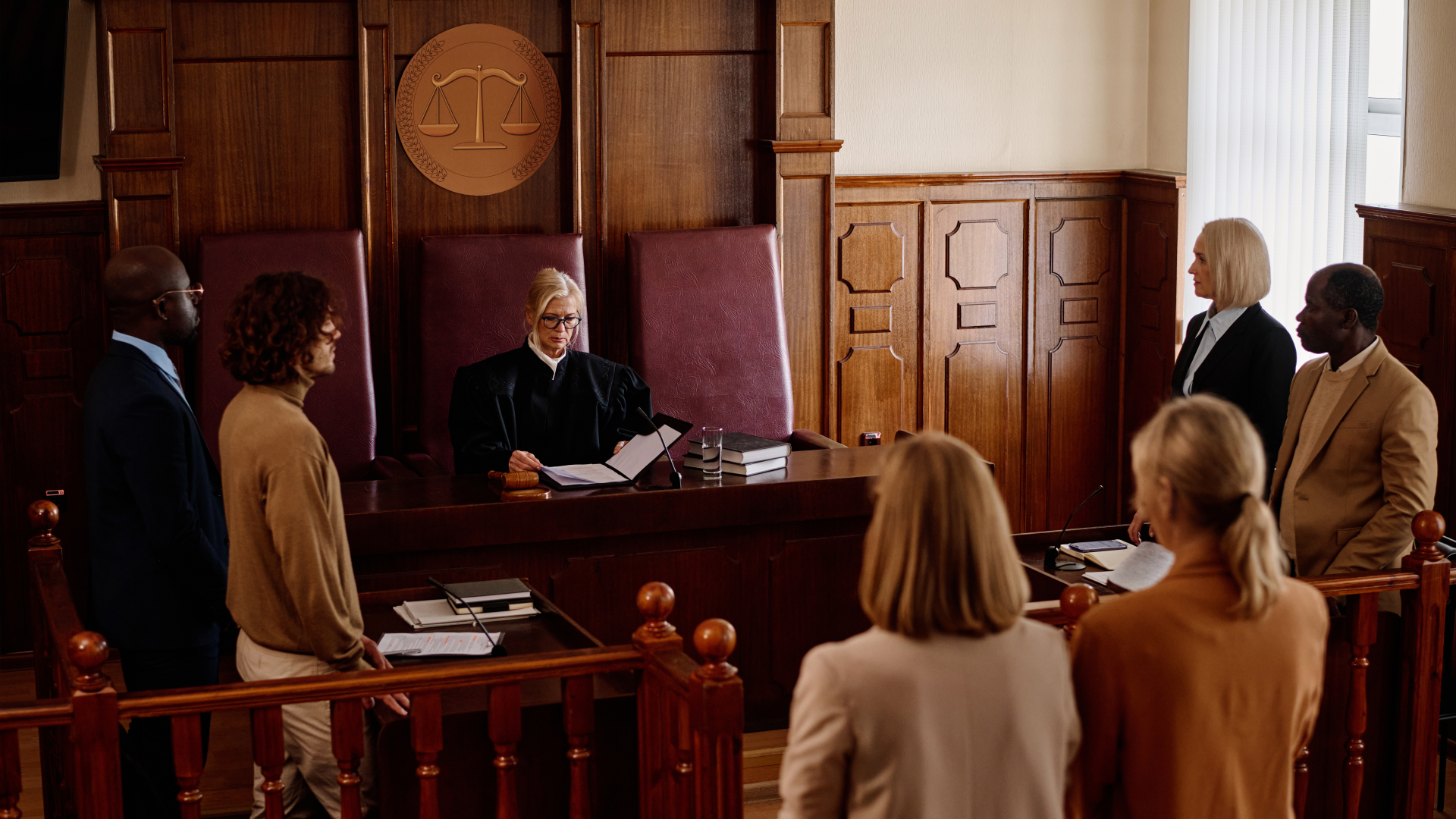
En California, la existencia de un deber de diligencia es una cuestión legal que decide el juez, no el jurado, en los casos de lesiones personales. Esta determinación se realiza antes de que el caso llegue a juicio y sienta las bases para todo lo que ocurra después.
En casos rutinarios, como un conductor que choca contra otro coche o un cliente que resbala en un obstáculo evidente, la responsabilidad suele ser fácil de determinar.
En situaciones más complejas o novedosas, como reclamaciones que implican actos delictivos de terceros o angustia emocional pura sin daño físico, los tribunales aplican el Marco conceptual de Rowland contra Christian. Esta decisión de la Corte Suprema de California estableció varios factores que los jueces consideran al determinar si existe un deber en circunstancias inusuales. Esto incluye:
- Previsibilidad del daño
- Certeza de que el demandante sufrió lesiones.
- La estrecha relación entre la conducta del demandado y las lesiones del demandante.
- Culpa moral asociada a las acciones del acusado
- Política de prevención de daños futuros
- La carga que recae sobre el acusado de imponer un deber
- Consecuencias para la comunidad de imponer ese deber
- La disponibilidad de cobertura de seguro
Una vez que el juez determina que existe un deber y define el estándar aplicable, corresponde al jurado decidir si el acusado incumplió dicho estándar en función de los hechos específicos. Es aquí donde las pruebas, los testimonios de los testigos y las opiniones de los peritos cobran gran importancia.
En Abogado Jeff, abogado de accidentes automovilísticos, Desde el primer día, basamos nuestros casos en estos estándares. Recopilamos pruebas, consultamos con expertos en reconstrucción de accidentes e ingenieros de seguridad, y presentamos argumentos claros que explican por qué un deber se aplica claramente a la conducta del demandado.
¿Cuándo se considera que se ha incumplido un deber de diligencia?“
Una vez establecido el deber de diligencia, la parte perjudicada debe demostrar que el demandado lo incumplió al actuar con menos cuidado del que una persona razonable habría tenido en las mismas circunstancias. Es en este punto donde un caso de lesiones personales pasa de la teoría jurídica a la prueba fáctica.
El criterio de la persona razonable plantea qué haría una persona común y corriente, prudente, en esta misma situación.
Por ejemplo, un conductor prudente que circula por la I-5 bajo una lluvia intensa reduciría la velocidad, aumentaría la distancia de seguridad y mantendría las luces encendidas. Un conductor que mantiene la velocidad de autopista con poca visibilidad mientras mira su teléfono claramente no cumple con este estándar. Algunos ejemplos de incumplimiento en casos de California incluyen:
- Un conductor que enviaba mensajes de texto por la I-5 chocó por detrás contra un vehículo detenido.
- Una tienda ignoró un derrame durante 30 minutos a pesar de que el personal pasaba repetidamente por allí.
- Un propietario que durante meses entre 2024 y 2025 no reparó las barandillas rotas de las escaleras a pesar de las repetidas quejas de los inquilinos.
- Un conductor de un servicio de transporte compartido se salta un semáforo en rojo mientras revisa su teléfono para ver si hay algún pasajero.
La infracción suele ser una cuestión de hecho que debe determinar el jurado. Este sopesa las pruebas, incluidos los testimonios de los testigos, las grabaciones de las cámaras de vigilancia, los registros telefónicos, los registros de mantenimiento, los vídeos de las cámaras de los vehículos y las opiniones de los peritos, para determinar si las acciones del acusado no cumplieron con el estándar exigido.
¿Qué ocurriría si tanto el demandante como el demandado incumplieran su deber de diligencia?
En California también se aplica la negligencia comparativa. Un jurado puede determinar que ambas partes incumplieron su deber, como en el caso de un conductor que excede el límite de velocidad y un peatón que cruza la calle imprudentemente.
El jurado asigna porcentajes de culpa, y la persona lesionada aún puede recuperar daños reducidos por su parte de responsabilidad. A diferencia de algunos estados, California sistema de negligencia comparativa pura responsabilizará al demandante, al tiempo que le otorgará una compensación parcial en función de la culpa que se le atribuya.
Deber de diligencia en las reclamaciones por lesiones personales más comunes en California
Si bien el concepto básico de deber se mantiene constante, su aplicación varía según el tipo de reclamación por lesiones personales. Comprender estas diferencias le ayudará a evaluar su propia situación.
Accidentes de coche y moto
Los conductores tienen la obligación de obedecer las señales de tráfico, evitar conducir distraídos o bajo los efectos del alcohol, y mantener velocidades y distancias de seguridad adecuadas. Las infracciones más comunes en las autopistas de California incluyen enviar mensajes de texto, conducir demasiado cerca del vehículo de adelante, cambiar de carril indebidamente y conducir bajo los efectos del alcohol. El riesgo que implica viajar a alta velocidad en autopista significa que incluso los descuidos momentáneos pueden causar lesiones físicas graves.
Accidentes de peatones
Los conductores tienen un deber más elevado de ceder el paso en los cruces peatonales y de extremar las precauciones en las zonas escolares y los barrios residenciales. Independientemente de la supuesta “derecho de paso,Los peatones también tienen el deber de obedecer las señales de paso y evitar cruzar la calle repentinamente. Cuando un conductor atropella a un peatón en un paso de peatones señalizado, el hecho de que el conductor no ceda el paso suele constituir una infracción clara.
Resbalones y caídas / Responsabilidad de las instalaciones
Los propietarios de inmuebles en California deben realizar evaluaciones de riesgos periódicas, reparar rápidamente los peligros, colocar señales de advertencia cuando las reparaciones no sean inmediatas y cumplir con los códigos de construcción que exigen iluminación y barandillas adecuadas. Un negocio que sabe de una fuga recurrente pero no toma medidas razonables para solucionarla puede enfrentar una responsabilidad considerable si alguien sufre lesiones a causa de una caída.
Colisiones entre Uber/Lyft y otros servicios de transporte compartido
Los casos de transporte compartido presentan una complejidad inherente. El conductor tiene la obligación de operar de forma segura, pero la cobertura del seguro varía según si la aplicación está activa, si se ha aceptado un viaje y si hay un pasajero presente. Determinar qué póliza de seguro se aplica y cómo funciona la obligación en estos casos requiere un análisis minucioso.
Mordeduras de perro y ataques de animales
Los dueños de perros tienen la obligación de controlar y supervisar a sus mascotas. Según la ley de responsabilidad objetiva por mordedura de perro de California, las víctimas no necesitan probar negligencia si se encontraban legalmente en la propiedad o en un lugar público al momento de la mordedura. La responsabilidad legal del dueño surge automáticamente en la mayoría de los casos, lo que los diferencia de las demandas por negligencia comunes.
Muerte por negligencia
El deber subyacente en los casos de muerte por negligencia refleja el deber que se aplicaría a la persona lesionada si hubiera sobrevivido. Esto incluye el deber de un conductor hacia otros automovilistas, el deber de un propietario hacia sus huéspedes y el deber de un profesional de la salud hacia sus pacientes. La diferencia es que Los familiares supervivientes presentan la demanda. para recuperarse de las pérdidas sufridas tras un incumplimiento fatal del deber.
Indemnización laboral y lesiones relacionadas con el trabajo
La legislación laboral exige a los empleadores mantener entornos de trabajo seguros. La indemnización por accidentes laborales ofrece beneficios independientemente de la culpabilidad en caso de lesiones sufridas en el trabajo, pero las demandas por negligencia de terceros contra conductores imprudentes que atropellan a trabajadores o fabricantes de equipos defectuosos aún requieren probar la existencia de un deber y su incumplimiento. El deber del empleador de velar por la seguridad de sus empleados se contrapone a estas obligaciones frente a terceros.
Cómo afecta a un caso la demostración de la existencia del deber de diligencia
En California, establecer el deber de diligencia es la base de cualquier demanda por lesiones personales por negligencia. Sin él, la demanda no puede proceder, independientemente de la gravedad de las lesiones o de la evidencia de que otra persona las haya causado.
Demostrar el deber y el incumplimiento afecta directamente el valor de la indemnización, las negociaciones con la aseguradora y las probabilidades de éxito en el juicio. Las compañías de seguros suelen denegar o reducir las reclamaciones argumentando que no existía tal deber o que las acciones del demandado no infringieron ningún requisito legal.
Construir un historial sólido en estos temas contrarresta esas tácticas y aumenta la recuperación potencial para la atención médica, salarios perdidos, dolor y sufrimientoy otros daños.
Cómo un bufete de abogados especializado en lesiones personales ayuda a demostrar el deber de diligencia.
En Attorney Jeff, tomamos medidas prácticas desde el principio para obtener pruebas relacionadas con el deber y el incumplimiento. Esto incluye:
- Obtención de informes policiales
- grabaciones del 911
- Grabaciones de cámaras de seguridad
- Fotografías de escenas
- registradores de datos del vehículo
- Historiales médicos
- Políticas de seguridad
Preservar estas pruebas rápidamente es fundamental, ya que los recuerdos se desvanecen, las grabaciones se borran y las pruebas físicas desaparecen. Además, nuestro equipo legal trabaja con peritos para fortalecer los casos de lesiones personales. Esto incluye:
- Reconstructores de accidentes que pueden explicar exactamente qué sucedió en un accidente de autopista.
- Expertos en biomecánica que pueden relacionar las fuerzas de impacto con sus lesiones específicas.
- Ingenieros de seguridad que puedan testificar sobre lo que un propietario razonable debería haber hecho para mitigar los riesgos y prevenir posibles daños.
Estos expertos ayudan a los jueces y jurados a comprender qué medidas razonables debería haber tomado el acusado para prevenir un accidente que causó daños a la víctima. Sin costos iniciales para usted ni su familia. Nos esforzamos por obtener una compensación justa y equitativa para nuestros clientes.
Consigue tu Consulta de caso gratuita
Realización de evaluaciones de riesgos mediante una consulta gratuita.
Nuestro abogados con experiencia en lesiones personales Trabajamos con honorarios condicionales, lo que significa que no paga ningún costo inicial ni honorarios de abogado a menos que obtengamos una compensación económica por su reclamación. Este acuerdo garantiza que los clientes lesionados puedan hacer valer sus derechos legales sin preocuparse por la carga financiera de los honorarios de los abogados durante un momento ya de por sí difícil.
Si usted resultó lesionado en un accidente automovilístico, de motocicleta, peatonal, de transporte compartido, resbalón y caída, mordedura de perro, incidente relacionado con compensación laboral o muerte por negligencia, Jeff te tiene.
Contáctanos Para programar una consulta gratuita, revisaremos cómo se aplica el deber de diligencia a su caso, le explicaremos sus opciones en un lenguaje sencillo y le ayudaremos a comprender el valor potencial de su reclamación. Con oficinas en todo California y un equipo con amplia experiencia en la toma de decisiones en casos complejos de lesiones, estamos listos para luchar por la compensación que usted merece.

Escrito por
Michelle Jaco
Estratega de contenido y redactora publicitaria radicada en el Condado de Orange, cuenta con más de diez años de experiencia profesional en redacción. Licenciada en Inglés por la Universidad Estatal de San Diego, se especializa en la creación de identidad de marca y la mejora de la interacción con el lector, con experiencia en contenido legal, redacción publicitaria para startups de software y branding de estilo de vida. Cuando no está escribiendo en su cafetería favorita, Michelle suele viajar, correr por la playa y disfrutar de su afición deportiva animando a los Kansas City Chiefs y a los Los Angeles Dodgers (aunque insiste en que no es una oportunista).