

 888-970-5729
 1300+
1300+- Key Takeaways
- What Is an Expert Witness?
- How Expert Witnesses Differ From Lay Witnesses
- Legal Standards for Expert Testimony (Rule 702 and the Daubert Standard)
- Types of Expert Witnesses in Personal Injury Cases
- Testifying vs. Non-Testifying (Consulting) Experts
- What Expert Witnesses Actually Do in a Personal Injury Case
- Evaluating an Expert’s Qualifications and Credibility
- When Do You Need an Expert Witness in a Personal Injury Claim?
- Costs of Expert Witnesses and How Payment Works
- How Attorney Jeff Car Accident Lawyer Uses Expert Witnesses to Strengthen Your Case
- Frequently Asked Questions
What Is an Expert Witness? (And How They Help Win California Personal Injury Cases)
Key Takeaways
- An expert witness is a specialist—such as a doctor, engineer, or economist—with specialized knowledge who gives opinion testimony to help a judge or jury understand complex issues beyond common knowledge.
- In California personal injury cases involving car accidents, slip and falls, wrongful death, and similar claims, expert witness testimony often determines whether an injured person can prove causation and damages.
- Courts use gatekeeping rules like Federal Rule of Evidence 702 and the Daubert standard to exclude unreliable scientific evidence and ensure only qualified experts testify.
- Attorney Jeff Car Accident Lawyer advances expert costs as part of contingency-fee representation, meaning you pay nothing upfront.
- A free consultation can quickly reveal whether your California injury claim needs expert witnesses to succeed.
What Is an Expert Witness?
An expert witness is a person qualified by knowledge, skill, experience, training, or education who can give opinion evidence in court. Unlike ordinary witnesses, an expert witness’s testimony helps the judge or jury understand technical or scientific issues that fall outside everyday experience—things like medical causation, crash mechanics, or future lost wages.
Expert witnesses differ sharply from lay witnesses. A lay witness can only testify about what they personally perceived: what they saw, heard, or experienced at the scene. They cannot offer technical opinions. Under Federal Rule of Evidence 702, expert testimony is admissible only if the witness is qualified, the opinions will help the fact-finder, and the testimony is based on sufficient facts and reliable principles and methods that are reliably applied.
California relies on its own evidence statutes, particularly California Evidence Code sections 720 through 801, which require an expert to demonstrate specific skill, knowledge, training, or education in the relevant field under California law. These rules establish the legal foundation for when expert opinion can be admitted.
Consider a concrete example: A biomechanical engineer explaining how a 2025 rear-end crash on the 405 Freeway caused neck injuries. The defense argues the impact was “minor,” but the expert can explain that injury severity depends on delta-V, seat position, head restraint placement, and occupant posture—not just visible vehicle damage. This testimony helps the jury understand evidence they could not evaluate on their own.
How Expert Witnesses Differ From Lay Witnesses
The distinction between lay witnesses and expert witnesses is fundamental to understanding legal proceedings. Lay witnesses are fact witnesses limited to describing what they personally observed. Expert witnesses can interpret data, analyze records, and offer opinions based on their expertise.
What lay witnesses can do:
- Describe the accident scene, weather, and road conditions
- Testify about traffic signals or vehicle speeds they observed
- Explain what they saw a driver, property owner, or dog owner do
- Report conversations they heard
What expert witnesses can do:
- Interpret medical records and explain diagnosis
- Reconstruct a crash using physical evidence and digital data
- Evaluate product defects or code violations
- Quantify economic losses and future care costs
Unlike fact witnesses, expert witnesses are permitted to offer opinions to help judges or juries reach informed decisions. This is critical because jurors cannot evaluate complex medical causation or engineering analysis without guidance.
For example, in a 2024 Los Angeles crosswalk collision, lay witnesses might describe the pedestrian being struck and the driver’s behavior. But a medical expert would explain how the injuries will affect the victim’s mobility and quality of life long-term—testimony that lay witnesses simply cannot provide.
Legal Standards for Expert Testimony (Rule 702 and the Daubert Standard)
U.S. courts act as gatekeepers to prevent unreliable expert testimony from reaching the jury. The court serves as a gatekeeper to exclude unqualified experts, irrelevant opinions, or unreliable methods, typically in a pre-trial hearing.
Federal Rule of Evidence 702
Under Federal Rule of Evidence 702, an expert witness must be qualified on the topic of testimony, which requires specialized education, training, or practical experience in the subject matter relating to the case. The testimony must:
- Help the trier of fact understand evidence or determine a fact in issue
- Be based on sufficient facts or data
- Be the product of reliable principles and methods
- Reflect reliable application of those methods to the case facts
The party offering the expert testimony bears the burden to establish its admissibility by a preponderance of the evidence, which includes demonstrating the reliability of the expert’s methods and opinions.
The Daubert Standard
The U.S. Supreme Court established the standard for expert testimony admissibility in Daubert v. Merrell Dow Pharmaceuticals, Inc., which provides guidelines for determining the admissibility of expert witness testimony. The Daubert factors include:
- Whether the theory or technique can be and has been tested
- Whether it has been subjected to peer review and publication
- The known or potential error rate
- The existence and maintenance of standards controlling the technique
- Whether it has attracted widespread acceptance in the relevant scientific community
California has its own evidence rules but follows similar gatekeeping concepts. Most state courts apply either Daubert and Frye standards or variations of these reliability tests.
An experienced lawyer must anticipate Daubert challenges from opposing counsel and select experts whose methodology is scientifically sound and will withstand scrutiny. When searching for an expert witness, attorneys should consider the specifics of their case and utilize resources like peer-reviewed publications and expert directories to find suitable candidates.
Types of Expert Witnesses in Personal Injury Cases
California personal injury cases—from car accidents to premises liability—often require different types of expert witnesses depending on the issues in dispute. Attorney Jeff Car Accident Lawyer regularly works with experts across multiple disciplines.
Medical Experts
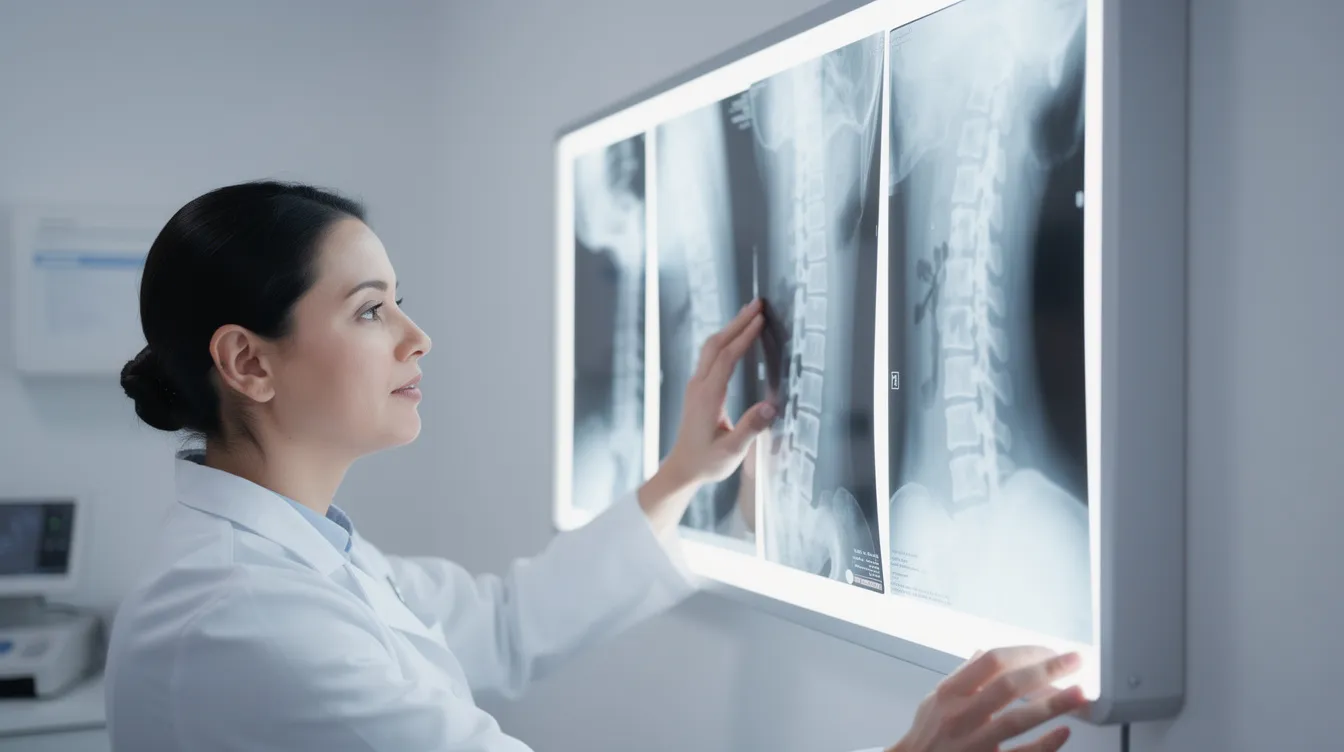
Medical experts include orthopedic surgeons, neurologists, neurosurgeons, radiologists, and rehabilitation physicians. They testify about injuries, standard of care, treatment needs, and permanent disability. The testimony of expert witnesses is crucial in cases involving intricate details, such as medical malpractice or product liability, as their specialized knowledge helps juries understand complex issues.
Accident Reconstruction Experts
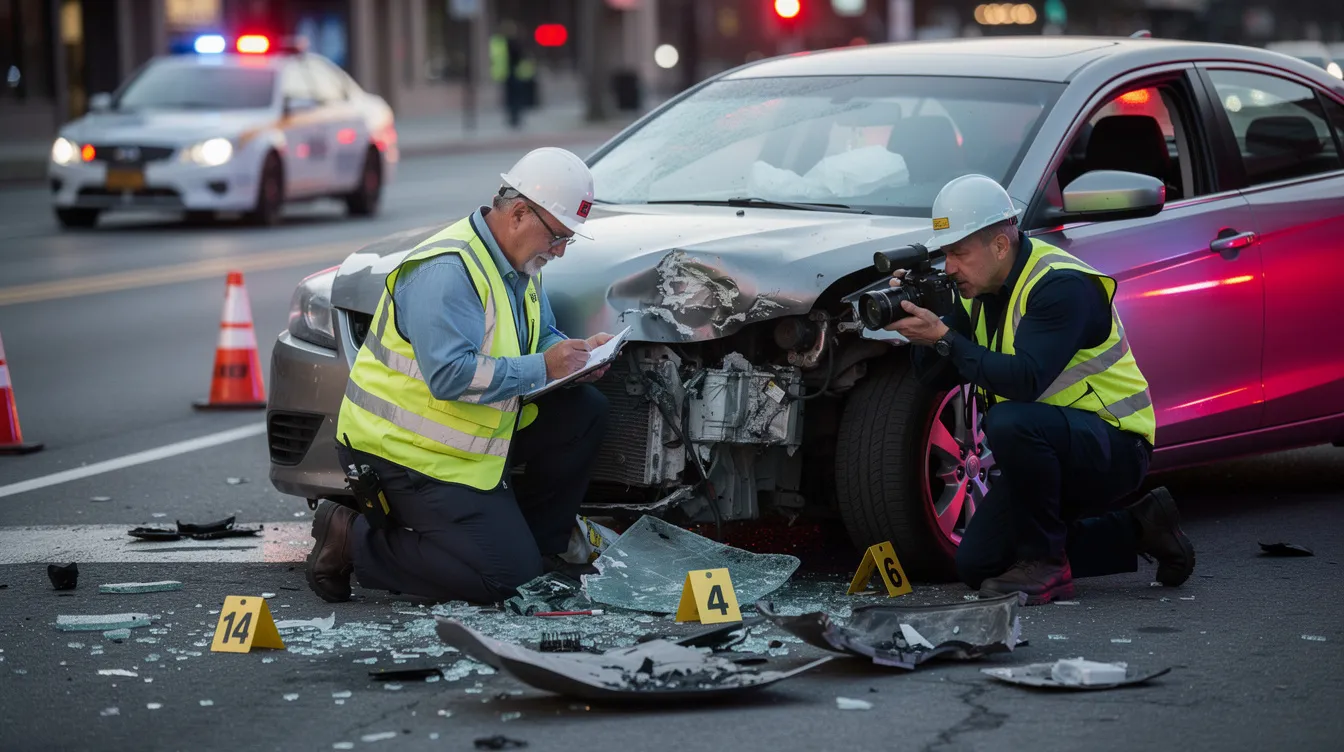
Accident reconstruction experts analyze physical evidence—skid marks, crush damage, vehicle rest positions, and event data recorder information—to explain how a collision occurred. In a 2026 freeway pile-up, a reconstructionist might determine whether a sudden lane change, tailgating, or distracted commercial driver initiated the chain reaction. They conduct tests and site visits to gather data that supports their opinions.
Biomechanical Engineers
Biomechanical engineers study mechanical forces acting on the human body during impact. They explain why a “minor” rear-end collision can still cause serious spinal damage based on acceleration profiles, force vectors, and occupant positioning.
Economic and Vocational Experts
Economists calculate past and future lost earnings, fringe benefits, and present value of lifetime losses. Vocational experts assess whether an injured person can return to work, needs retraining, or faces reduced labor market access. These experts are essential in workers’ compensation and catastrophic injury claims.
Premises Liability and Safety Experts
Safety experts analyze lighting levels, flooring conditions, maintenance records, and building code compliance in slip and fall cases. In dog bite cases, they may address restraint practices and prior incident history.
Forensic and Other Specialists
Forensic experts cover digital forensics (cell phone data, surveillance video), toxicology (blood alcohol, drug levels in criminal cases and civil cases), and human factors (visibility, reaction time). A forensic expert can recover critical evidence from computer forensics analysis. Legal experts and those from an expert institute may also provide specialized testimony depending on the particular case.
Testifying vs. Non-Testifying (Consulting) Experts
Not every expert hired by an attorney will take the witness stand. Understanding the distinction is important for case preparation.
Testifying Experts
Testifying experts are disclosed to the opposing side and used to present evidence during trials. Their identities, opinions, and reports become discoverable under court rules. They must be prepared for pre-trial discovery, including depositions where defense attorneys test their methodology and look for prior inconsistent opinions.
Testifying experts provide opinions during trial and must produce a written expert report shared with all parties. They face cross-examination designed to effectively cross examine their qualifications, assumptions, and conclusions.
Non-Testifying (Consulting) Experts
Non-testifying experts work in an advisory capacity and do not give testimony in court. They are retained to evaluate a case and provide opinions that are protected from discovery, meaning their findings cannot be accessed by the opposing party unless they are designated as testifying experts.
The primary distinction between testifying and non-testifying experts lies in their roles; testifying experts actively participate in court proceedings, while non-testifying experts primarily assist attorneys behind the scenes. A consulting expert helps analyze other evidence, identify weaknesses, and shape litigation strategy.
In many cases, Attorney Jeff may first use a consulting expert to test theories and then decide whether to designate a separate testifying expert before disclosure deadlines.
What Expert Witnesses Actually Do in a Personal Injury Case
Expert witnesses are essential in legal proceedings because they provide specialized knowledge that assists the court in understanding complex technical or scientific issues, which is vital for making informed decisions. Their work spans from the first weeks after an accident through trial.
Early Case Work
Experts review evidence including police reports, medical records, photographs, surveillance footage, and electronic data to understand what happened. They help preserve critical evidence—such as downloading vehicle “black box” data after a 2025 Uber accident in downtown Los Angeles before it’s overwritten.
Engaging an expert witness early in a case can provide significant advantages, particularly during the discovery phase, as they help shape the direction of the case. Evidence disappears quickly; early expert involvement protects against lost opportunities.
Report Preparation and Settlement
Experts often prepare written reports (required in federal court cases) outlining facts, methodology, and opinions. A strong expert report influences settlement negotiations and mediation posture. Weak reports invite exclusion motions or lower settlement offers.
Deposition Testimony
Before trial, testifying experts sit for depositions where opposing counsel tests their opinions and explores potential weaknesses. The deposition reveals whether the expert will hold up under pressure and what areas need further preparation.
Trial Testimony
At trial, an effective expert witness teaches the jury using clear language, diagrams, timelines, and everyday analogies. Communication skills are crucial for experts to simplify complex, technical information for the jury. Expert witnesses serve as intermediaries, providing objectivity and clarity, which helps jurors understand complex information, thereby ensuring a fair trial.
Evaluating an Expert’s Qualifications and Credibility
An expert witness’s qualifications can make or break a California injury claim. Courts, attorneys, and juries all assess credibility carefully.
Markers of Strong Qualifications
An expert witness must have specialized knowledge, skill, or experience in a specific field, and their qualifications are established through voir dire prior to their testimony. Key credentials include:
- Advanced degrees and board certification
- Active clinical or field practice (not just litigation work)
- Relevant publications and teaching experience
- Real-world experience with similar accidents or injuries
- Track record of reliable prior cases testimony
An expert witness’s qualifications are assessed based on their educational background, hands-on experience, prior testimony, and relevant publications or teaching, rather than titles alone. An expert’s background must precisely match the technical or legal issues of a case for it to be effective.
Vetting History and Independence
Courts and attorneys review an expert’s prior testimony, any successful Daubert challenges, disciplinary actions, and licensing history. Experts should be in good standing with no history of ethical violations or successful Daubert challenges. Selecting experts with unimpeachable credibility and objectivity is important to avoid perceived biases in testimony.
Communication and Jury Appeal
The most effective expert witness explains complex ideas to jurors in clear, everyday language without appearing biased or arrogant. Assessing an expert’s personality and communication style is important for jury appeal. Trial experience is important for experts to ensure they can withstand intense cross-examination and present their testimony persuasively.
Local experience can provide stronger context in cases involving specialized local regulations or standards. Attorney Jeff Car Accident Lawyer vets potential experts early, looking for independence, ethical billing, and strong California court track records.
When Do You Need an Expert Witness in a Personal Injury Claim?
The need for expert testimony depends on what’s disputed: liability, causation, or damages.
Car and Motorcycle Accidents
When the defense disputes speed, lane changes, or braking, accident reconstruction experts use physical evidence and digital data to show who caused the crash on a California highway. A trial judge will expect scientific evidence when causation is contested.
Slip and Fall and Premises Liability
Safety experts analyze lighting, flooring, maintenance records, and building codes to establish negligence. They review evidence showing whether the property owner violated applicable standards.
Dog Bites and Pedestrian Accidents
Medical experts and life-care planners explain long-term scarring, nerve damage, or mobility limitations. These cases often require testimony about future medical costs and quality-of-life impacts.
Wrongful Death and Catastrophic Injury
Forensic experts and economists quantify lifetime lost earnings and future care costs. In a particular field like life-care planning, projections may reach millions of dollars depending on age and severity.
A free consultation with Attorney Jeff can reveal whether expert witnesses are necessary to prove your unique California claim and maximize your case’s outcome.
Costs of Expert Witnesses and How Payment Works
Expert witnesses can be expensive but are often indispensable in serious cases.
How Experts Bill
The party retaining an expert witness is responsible for paying their fees, which typically include hourly rates for various services such as record review, report drafting, and testimony. Rates vary by specialty and reputation—from several hundred to over a thousand dollars per hour. Deposition testimony and trial attendance often cost more than file review.
Contingency-Fee Arrangements
In contingency-fee personal injury cases handled by Attorney Jeff Car Accident Lawyer, expert fees are treated as case costs advanced by the firm. Clients do not pay these costs upfront; instead, they are reimbursed from any settlement or verdict consistent with the written fee agreement.
During your initial free consultation, the firm explains how expert costs will be handled for car accidents, Uber/Lyft collisions, workers’ compensation, and other claims. This arrangement makes expert testimony accessible even for clients without resources to pay out-of-pocket.
How Attorney Jeff Car Accident Lawyer Uses Expert Witnesses to Strengthen Your Case
We identify early which issues—fault, causation, or damages—will likely require expert testimony to satisfy Rule 702 and Daubert-like standards. This proactive approach protects evidence and builds stronger claims from the start.
We collaborate closely with testifying experts to prepare clear, jury-friendly explanations, exhibits, and timelines for accidents throughout Los Angeles, Orange County, and California. Our team has received instructions from medical experts, reconstructionists, and economists across hundreds of cases.
For Uber/Lyft and commercial vehicle cases, we regularly work with crash reconstruction, trucking safety, and rideshare policy experts. These relationships ensure we can move quickly to preserve evidence and develop compelling testimony.
Our overriding duty is to our clients. Expert witnesses support that mission by translating complex evidence into persuasive presentations that help other parties—judges, juries, and insurance adjusters—understand the true impact of injuries.
Ready to discuss your case? Schedule a free case evaluation to determine whether expert witnesses are needed in your specific accident, wrongful death, or workers’ compensation claim.

Frequently Asked Questions
Can I win a personal injury case without an expert witness?
Some straightforward cases with clear fault and minor injuries may settle without expert witnesses, especially when medical records and bills are undisputed. In these situations, the evidence speaks for itself.
However, in more serious or contested cases—like disputed liability car crashes or complex medical issues—courts often expect expert testimony to prove causation and future damages. Without it, a legal case may fail for lack of proof.
An attorney can quickly assess during a free consultation whether an expert is likely needed for your California claim.
Does the defense get to talk to my expert witness?
Once an expert is designated as a testifying expert, the other side can depose them, review their expert report, and cross-examine them at trial. This is part of standard pre-trial discovery.
Non-testifying consulting experts generally remain confidential and are not subject to discovery, except in rare circumstances. A skilled attorney prepares the expert thoroughly for questioning to protect the client’s case and ensures they can testify effectively.
What happens if the judge excludes my expert’s testimony?
If a judge decides an expert does not meet Rule 702 or Daubert-style standards, the expert’s testimony may be limited or excluded before trial. This often happens in a pretrial hearing where methods reliably applied to the case are evaluated.
Losing a key expert can severely weaken a case, especially on issues like medical causation or product defects. Careful vetting and preparation by experienced counsel reduce the risk of exclusion and may allow for replacement experts when deadlines permit.
Are expert witnesses always neutral and unbiased?
An expert witness’s overriding duty is to the court, not to the party paying them. Courts expect impartial, evidence-based opinions grounded in the expert’s particular field of expertise.
Both sides may challenge an expert who appears to be a “hired gun” or strays from accepted scientific or professional standards within the scientific community. Attorney Jeff seeks experts whose track records show independence, honesty, and adherence to professional ethics.
How soon after my accident should an attorney involve an expert?
Early involvement—often within days or weeks after a car crash, slip and fall, or workplace injury—can be critical to capturing photos, measurements, and digital data before it is lost. Evidence like surveillance footage may be overwritten within days.
In serious collisions or wrongful death cases, attorneys may send accident reconstruction or forensic experts to the scene quickly. Contact Attorney Jeff Car Accident Lawyer as soon as possible so the firm can decide whether early expert involvement is necessary to protect your claim.

Written By
Michelle Jaco
A content strategist and copywriter based in Orange County, she possesses over ten years of professional writing experience. A graduate of San Diego State University with a B.A. in English, she specializes in building brand identity and enhancing reader engagement, with expertise spanning legal content, software startup copy, and lifestyle branding. When she is not writing in her favorite coffee shop, Michelle is typically traveling, running along the beach, and indulging her sports fandom by cheering on the Kansas City Chiefs and Los Angeles Dodgers (she maintains that she is not a bandwagoner).