
 888-970-5729
 1300+
1300+- How the Tesla Autopilot System Works and What It Cannot Do
- A Timeline of Major Autopilot Tesla Accident Cases
- When a Tesla Driver Has Fallen Asleep or Is Distracted
- Government Investigations Into the Autopilot System
- Who Is Legally Responsible After an Autopilot Tesla Accident?
- What to Do After an Autopilot Tesla Accident in California
- Compensation Available to Victims of Self-Driving Crashes
- Frequently Asked Questions About Autopilot Tesla Accidents
- How Attorney Jeff Car Accident Lawyer Helps Victims of Tesla Autopilot Crashes
Tesla’s Autopilot and Full Self-Driving (FSD) systems are driver-assist tools classified as Level 2 automation. They are not fully self-driving technology, and every Tesla driver remains legally responsible for controlling the vehicle at all times.
Dozens of high-profile Autopilot crashes have occurred since 2016, including fatal collisions in Mountain View, Fontana, Riverside, Walnut Creek, and other California locations, as well as incidents in Florida involving pedestrians and other vehicles. Federal and state agencies, including the National Highway Traffic Safety Administration (NHTSA), NTSB, California Highway Patrol, and Florida Highway Patrol, have repeatedly investigated Tesla’s Autopilot system after serious crashes with emergency vehicles, motorcycles, pedestrians, and trucks.
Injured victims and families in California can pursue claims against negligent drivers and, in some cases, against Tesla itself for alleged defects and misleading marketing of the self-driving mode. Here is everything you need to know following an autopilot crash.
How the Tesla Autopilot System Works and What It Cannot Do
Tesla offers several tiers of driver-assistance technology. Standard Autopilot handles traffic-aware cruise control and lane-keeping. Enhanced Autopilot adds auto lane changes and highway navigation. Full Self-Driving adds intersection handling, stop-sign recognition, and city-street navigation. All fall under what engineers call an advanced driver-assistance system (ADAS), classified as Level 2 automation by the National Highway Traffic Safety Administration.
CEO Elon Musk has repeatedly suggested these features will one day make human drivers obsolete. In the real world, however, cameras and radar detect lane markings, vehicles, and some traffic control devices, and the system can steer, brake, and accelerate within those parameters, but it requires driver supervision at all times. Drivers must keep their hands on the wheel and eyes on the road.
Tesla claims its Autopilot-equipped vehicles register approximately one accident per 6.36 to 7.63 million miles driven. However, the system can fail to detect stationary objects at highway speeds under real-world traffic conditions, a limitation that has contributed to fatal collisions with stopped fire trucks, overturned semis, and concrete barriers.
Why Self-Driving Technology Is Not Full Autonomy
Autopilot is not legally considered self-driving under U.S. law. The marketing terms “Autopilot” and “Full Self-Driving” have drawn criticism from investigators and safety advocates for potentially encouraging overreliance and driver distraction. Many crashes occurred while the system was active, but the driver was distracted, impaired, or asleep. Self-driving cars, as marketed by Tesla, are not the same as fully autonomous vehicles, and that distinction has life-or-death consequences on public roads.
A Timeline of Major Autopilot Tesla Accident Cases
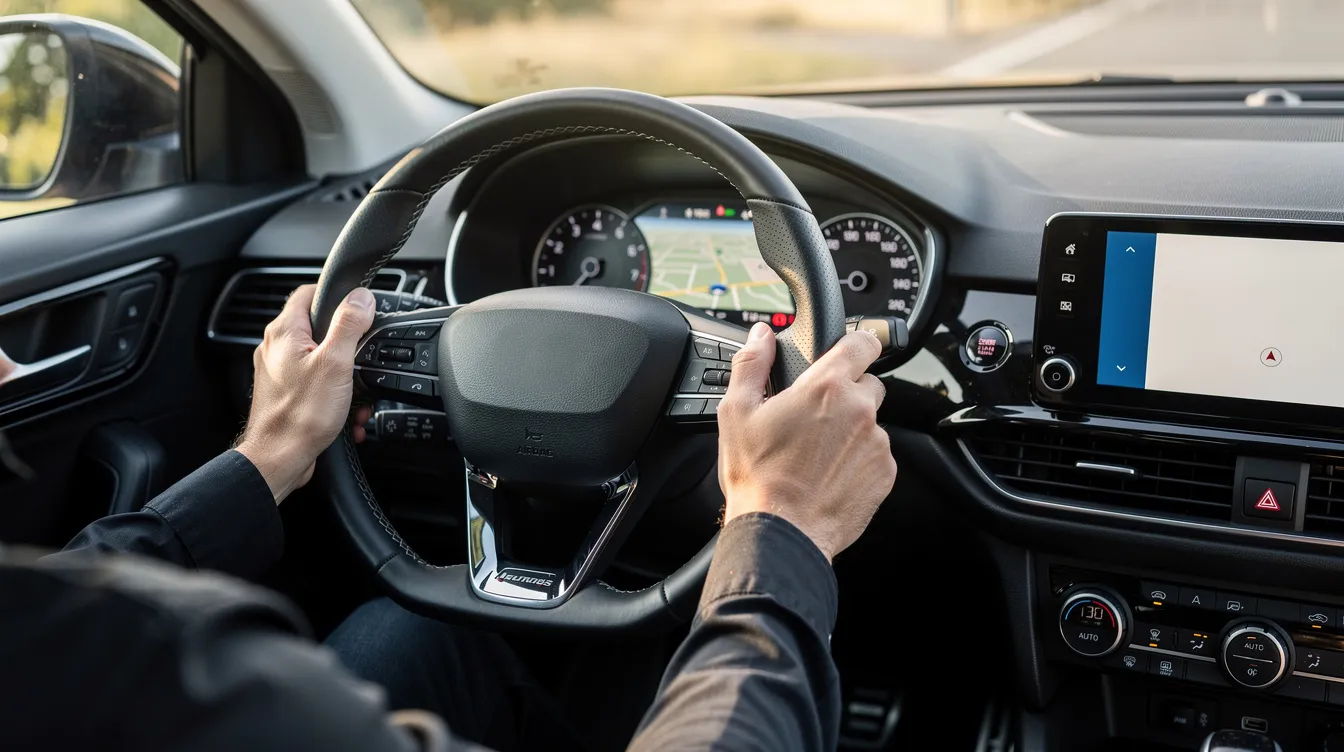
Tesla’s Autopilot was involved in multiple fatal crashes by 2023, according to federal data. Various crashes recorded consist of the following.
2016: Early Fatalities
The first widely reported fatality happened on May 7, 2016, near Williston, Florida. A Tesla Model S traveling at 74 mph failed to distinguish a white tractor-trailer from the bright sky, and the driver was killed. Around the same time in Handan, China, another Tesla driver died when his vehicle struck a road-sweeping truck, raising early questions about the system’s ability to detect slow-moving obstacles.
2018–2019: California Crashes and Emergency Vehicle Collisions
In March 2018, a Tesla Model X on Autopilot drifted into a concrete barrier on US-101 in Mountain View, California, killing the driver. The NTSB found that the system misread the lane markings and that the driver’s hands were off the wheel for the final 6 seconds. That same month, a Tesla struck a parked fire truck on the I-405 in Culver City, the first in a string of emergency vehicle collisions. In March 2019, a Tesla Model 3 crashed beneath a tractor-trailer in Delray Beach, Florida, echoing the 2016 fatality.
2019: The Key Largo Crash and the First Federal Jury Verdict
On April 25, 2019, a fatal crash in Key Largo, Florida changed the legal landscape. Autopilot was engaged when a Tesla Model S ran a stop sign and red light, killing pedestrian Naibel Benavides Leon. The resulting lawsuit ended with a federal jury awarding the victim’s family $243 million. Tesla was found 33% responsible, with the driver assessed 67% of fault. This was the first time a federal jury apportioned blame to Tesla for an Autopilot crash. Data obtained from the vehicle’s onboard computer confirmed the autopilot system was active at the time of the collision.
2022–2023: Motorcyclists, Pedestrians, and Emergency Vehicles
A pattern of Autopilot-equipped Teslas striking motorcycles, pedestrians, and emergency vehicles continued in subsequent years. In May 2022, Dillon Angulo sustained serious injuries after a Tesla lurched forward into a crosswalk on I-5 in Mission Viejo while the autopilot system was engaged. In July 2022, a Tesla Model Y on Autopilot killed a motorcyclist on SR-91 in Riverside, California, striking the motorcycle from behind in the HOV lane.
Emergency vehicle crashes under NHTSA investigation include incidents in Culver City, South Jordan (Utah), Maumee (Ohio), Walnut Creek, and Fullerton. In the 2023 Walnut Creek crash, a Tesla struck a fire truck parked diagonally to protect responders on I-680, killing the driver and critically injuring the passenger in the passenger seat. Several firefighters suffered non-life-threatening injuries.
2023–2026: Recent Autopilot Tesla Accident Incidents
In July 2023, George McGee drove a Tesla involved in a head-on collision near South Lake Tahoe. George McGee was operating the vehicle on a two-lane highway segment when the crash occurred. In 2026, an 87-year-old driver died after a Tesla crashed into a pond in Florida while Autopilot was active. Investigators are examining why the system failed to alert the driver or stop the SUV before it entered the water.
When a Tesla Driver Has Fallen Asleep or Is Distracted
Many Autopilot crash cases share a troubling detail: the driver was not paying attention. Regulators cite a safety gap in which drivers fail to remain alert while using Autopilot, a problem made worse by the system’s smooth, quiet operation at highway speeds.
Tesla Drivers Caught Using Self-Driving Mode Irresponsibly
In one widely reported case, police caught a Tesla driver sleeping behind the wheel of a 2019 Tesla SUV traveling over 80 mph on Interstate 94 in Wisconsin. Officers paced the vehicle for several miles before the driver finally woke and responded to the emergency lights. The driver was cited for inattentive driving.
In Metro Vancouver, a highway patrol officer reported that a woman appeared to be sleeping during a rainy rush hour while her Tesla was operating in self-driving mode. In the Key Largo fatal crash, the driver admitted he was distracted by his phone. In the Fullerton crash, the Tesla driver told police he was using full self-driving mode while on a cell phone.
Data obtained from vehicles involved in these crashes has proven critical in establishing whether Autopilot was engaged and how the system responded in the moments before impact. Attorneys and investigators rely on this telemetry data in cases from San Jose, the Bay Area, and throughout California.
Why Autopilot Mode Does Not Excuse Negligence
California Highway Patrol consistently stresses that drivers must remain in control regardless of whether Autopilot or FSD is active. Using self-driving technology as an excuse for falling asleep or texting does not protect a driver from negligence liability. In serious cases, charges can include vehicular manslaughter or reckless driving.
Government Investigations Into the Autopilot System
The National Highway Traffic Safety Administration’s Engineering Analysis (EA22-002) examines Tesla crashes involving emergency vehicles, including fire trucks in Culver City and Walnut Creek, and parked police vehicles in Maumee and Fullerton. The probe focuses on whether the system can reliably detect flashing emergency lights and stationary vehicles under real-world traffic conditions.
NHTSA investigated over 3.2 million Tesla vehicles for FSD-related crashes. In 2024, the National Highway Traffic Safety Administration opened a probe into Tesla’s Full Self-Driving software, citing concerns about degraded visibility detection, delayed driver warnings, and camera failures before crashes. A December 2023 recall covered roughly 362,758 vehicles over FSD Beta defects related to intersection behavior and speed limit compliance.
The NTSB recommended that Tesla improve driver engagement monitoring following the Mountain View and Delray Beach investigations, calling for stricter safety standards and more accurate marketing of self-driving cars. These regulatory findings can serve as powerful evidence in civil lawsuits.
Who Is Legally Responsible After an Autopilot Tesla Accident?
Liability after an Autopilot crash is fact-specific and may involve multiple parties. The negligent Tesla driver may be liable for speeding, distraction, intoxication, or falling asleep. Other drivers may share responsibility for running red lights or failing to yield. Tesla may face claims based on alleged defects in the Autopilot system, FSD software, driver monitoring, or misleading marketing. Public entities may be liable where dangerous road conditions contributed to the crash.
Being in autopilot mode never exempts a driver from the duty to stay alert. California law treats self-driving cars as tools, not replacements for human drivers, and operating them inattentively can cost someone their life. At the same time, if the autopilot system failed to detect a hazard it should have identified, or if marketing led a reasonable person to over-trust the technology, Tesla may share responsibility.
Attorney Jeff Car Accident Lawyer reviews Tesla data logs, software versions, road conditions, and driver behavior to build a strong liability theory for clients in San Jose, the Bay Area, and throughout California. No upfront costs to you or your family. We strive to recover fair and equitable compensation for our clients.
Get Your Free Case Consultation
What to Do After an Autopilot Tesla Accident in California
The steps you take in the minutes and days after a collision can significantly affect both your safety and any future legal claim. Here is what to do:
- Call 911 and get medical care. Move to a safe location if possible. Accept on-scene medical evaluation even if injuries seem minor-some injuries take hours or days to become apparent.
- Make sure law enforcement responds. Ensure that the California Highway Patrol or local police file an official report documenting whether the Tesla Autopilot system, FSD, or self-driving mode was in use. Ask officers to note the Tesla model involved and any dashboard alert indicators.
- Preserve evidence at the scene. Photograph vehicle positions, skid marks (or the absence of them), dashboard displays, and any visible Autopilot or FSD indicators. Document damage to barriers, traffic signals, or emergency vehicles.
- Identify witnesses and cameras. Collect names and phone numbers. Note any nearby businesses or highway cameras that may have recorded the crash.
- Avoid speculation about fault. Do not argue at the scene or make statements like “the car was driving itself.” Provide factual answers to the police calmly.
- Contact an attorney before speaking with insurance adjusters. Before discussing Tesla’s autopilot system or signing any releases, speak with a qualified personal injury attorney. Learn more about how long you have to report an accident in California to protect your rights.
Compensation Available to Victims of Self-Driving Crashes
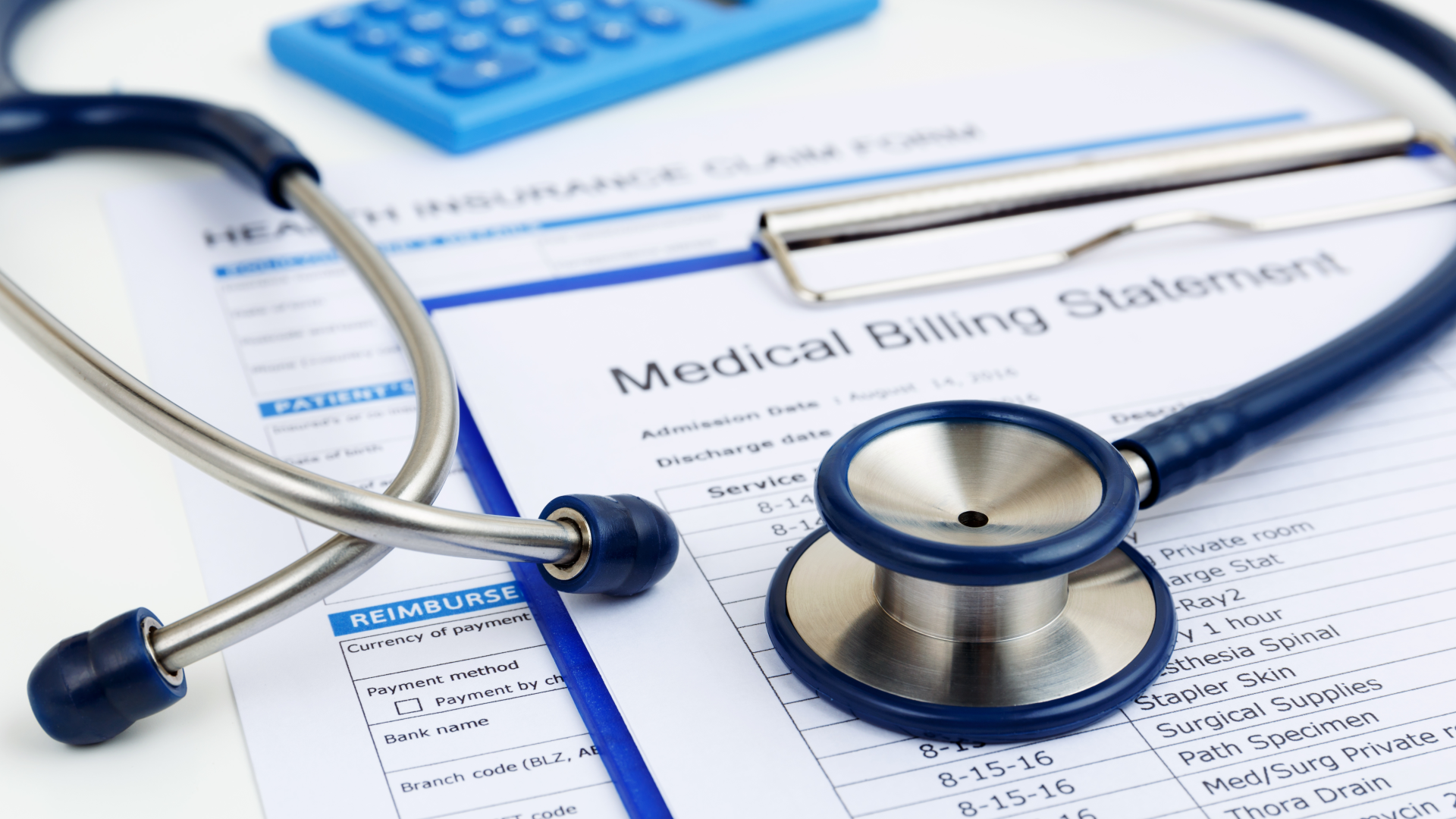
Victims of Tesla Autopilot collisions may seek the same categories of compensatory damages as in other car accidents, but with additional complexity due to potential product-defect theories and wrongful death claims. Common types of compensation include:
- Medical expenses: Emergency care, hospitalization, surgery, physical therapy, prescriptions, and long-term rehabilitation for catastrophic injuries.
- Lost income and earning capacity: Paychecks missed during recovery and reduced ability to work in the future.
- Property damage: Repair or replacement of the vehicle and personal property destroyed in the crash.
- Non-economic damages: Pain and suffering, such as physical pain, emotional distress, PTSD, anxiety about driving near self-driving vehicles, and reduced enjoyment of life.
- Wrongful death damages: Funeral and burial costs, loss of financial support, and loss of companionship for surviving spouses, children, and parents. California’s statute of limitations generally gives injured adults two years from the date of the crash to file a wrongful death lawsuit.
Frequently Asked Questions About Autopilot Tesla Accidents
Is Self-Driving the Same as Full Autonomy Under California Law?
No. Autopilot and FSD are treated as Level 2 driver-assistance systems. The law requires a licensed, attentive driver to maintain control at all times. Claiming “the car was driving itself” does not excuse a driver from liability.
Can I Sue Tesla After an Autopilot Tesla Accident, or Only the Driver?
In many cases, injured victims pursue claims against the at-fault driver’s insurance. Some cases also include product-liability claims against Tesla for alleged defects or misleading marketing. An experienced attorney will review the facts and available data to determine whether Tesla should be named as a defendant.
What If I Was a Passenger in the Passenger Seat When the Autopilot System Was Active?
Passengers generally have the right to bring claims regardless of fault, since they were not in control of the vehicle. A passenger can pursue compensation from the Tesla driver’s insurance, from any other negligent drivers involved, and potentially from Tesla if a defect contributed to the crash.
How Attorney Jeff Car Accident Lawyer Helps Victims of Tesla Autopilot Crashes
Attorney Jeff Car Accident Lawyer handles Tesla Autopilot cases throughout California on a contingency basis. Contact the firm to schedule a free consultation by phone or online form.
Injured victims and families can pursue claims against negligent drivers and, in some cases, against Tesla itself for alleged defects and misleading marketing. Our California Uber and Lyft accident attorneys at Attorney Jeff Car Accident Lawyer offer free consultations to crash victims throughout Northern and Southern California. You pay nothing unless your case is won; Jeff’s got you.

Written By
Michelle Jaco
A content strategist and copywriter based in Orange County, she possesses over ten years of professional writing experience. A graduate of San Diego State University with a B.A. in English, she specializes in building brand identity and enhancing reader engagement, with expertise spanning legal content, software startup copy, and lifestyle branding. When she is not writing in her favorite coffee shop, Michelle is typically traveling, running along the beach, and indulging her sports fandom by cheering on the Kansas City Chiefs and Los Angeles Dodgers (she maintains that she is not a bandwagoner).