

 888-970-5729
 1300+
1300+- Brief Overview of the Proposed Uber Ballot Initiative
- What Changes Will Come with the New California Ballot Measure?
- Potential Consequences of the Proposed 25% Contingency Fee Cap
- Potential Benefits of the “75% Rule” and How Settlement Will Be Reached
- Limitations on Medical Care for Car Accident Victims
- How the Initiative Will Affect Recovering Compensation
- Alternative Option to the Proposed Bill
- Financial Backing and Political Context
- What This Means for Riders, Drivers, and Accident Victims
- What California Voters Should Consider
- Frequently Asked Questions About the Proposed California Ballot
- How Uber Accident Lawyers Can Help
If you regularly ride in an Uber or share California roads with rideshare companies’ vehicles, a proposed ballot initiative backed by Uber could rewrite the rules for what happens when you get hurt in a crash. Here is what the measure says, who stands to gain, and why it matters to every person involved in an automobile accident in California.
Brief Overview of the Proposed Uber Ballot Initiative
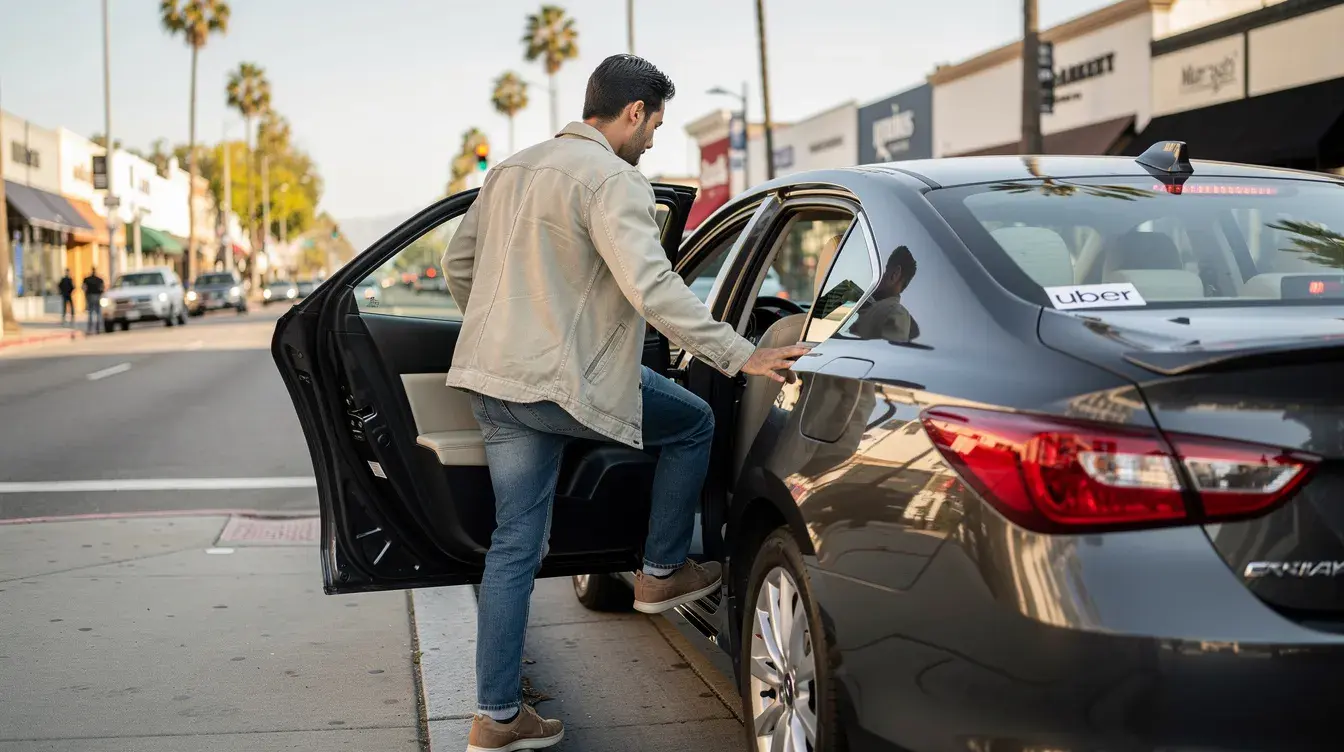
Uber is backing a 2026 California ballot initiative that would amend the state constitution to change how auto accident compensation is handled statewide.
The measure is officially titled the “Protecting Automobile Accident Victims from Attorney Self-Dealing Act,” is tracked as Attorney General Initiative No. 25-0022, and was prepared by the California Attorney General.
This would cap attorney contingency fees at 25% of the total recovery in all motor vehicle accident cases, not just rideshare crashes, and force automobile accident victims to navigate a complex new settlement structure.
Uber presents the initiative as a path to reducing insurance and legal costs, curbing what it calls “legal abuse,” and making rideshare trips more affordable. However, the measure will affect the accessibility of medical care for injured victims of rideshare accidents.
What Changes Will Come with the New California Ballot Measure?
If passed, the November ballot would amend the California Constitution directly, placing it above ordinary state law. Unlike an initiative statute, a constitutional amendment is more difficult for future legislatures to roll back without another costly statewide vote, making it a permanent shift in how the civil justice system handles automobile accident cases.
Individuals Who Will Be Impacted by the Change
The ballot measure applies to all motor vehicle injury cases involving an Uber vehicle, including:
- Drivers of other vehicles
- Pedestrians
- Bicycyclists
- Commercial truck drivers
- Motorcyclists
Similar Uber-supported measures in other states, including one reviewed by the Nevada Supreme Court, have been challenged for their misleading or unclear language, which failed to adequately inform voters about the true impact on accident victims.
Because this measure is a constitutional amendment rather than an initiative statute, changing it later would require yet another statewide vote.
Potential Consequences of the Proposed 25% Contingency Fee Cap
How Contingency Fees for Legal Representation Work Now
Contingency fees enable injured people to promptly secure legal representation without financial worry, as attorney fees are only billed upon a successful case outcome.
An Uber accident attorney advances all litigation costs, including expert witnesses, accident reconstruction, depositions, and imaging, and only gets paid if the client wins. The fee structure reflects the significant financial risk attorneys absorb on behalf of their clients.
Under current law, attorney contingency fees in personal injury cases commonly range from about 33% for pre-litigation settlements to over 40% for cases that go to trial, depending on risk and complexity. These fees are governed by negotiated contracts under California’s Business and Professions Code Section 6147.
How Capping Contingency Fees Will Affect Future Uber Accident Claims
Capping contingency fees at 25% could deter legal representation, particularly in complex cases. Catastrophic injury claims, wrongful death cases, and disputed liability crashes require expensive investigation and expert testimony from doctors and medical specialists.
Capping contingency fees makes complex cases financially unviable, and personal injury attorneys may be unable to afford to take them on.
Fewer plaintiff attorneys put injured victims in a vulnerable position, as they will now have to deal with Uber’s well-funded insurance companies and corporate defense teams themselves.
Potential Benefits of the “75% Rule” and How Settlement Will Be Reached
The proposed initiative constitutional amendment would require that victims retain at least 75% of settlements, while the remaining 25% cover attorney fees, medical expenses, medical liens, and other case costs.
What the 75% Rule Claims to Do
Uber’s initiative mandates that injured victims retain 75% of their settlements. On its surface, that sounds consumer-friendly. However, the financial breakdown of the underlying math tells a different story.
What the 75% Rule Actually Does
The remaining 25% must cover attorney fees and all case costs. That means the following must all be paid out of that 25% share:
- Attorney fees
- Expert witness costs
- Court filing and investigation expenses
- Medical liens
Many law firms simply cannot build a winning case at such a low rate, especially for complex cases involving spinal surgery, brain injuries, or contested liability. Meanwhile, Uber’s defense lawyers are not held to the same standard.
Because there is no equivalent cap on what the at-fault party can spend fighting an Uber accident claim, the 75% rule may appear generous, but in practice, it puts injured victims at a severe disadvantage.
Limitations on Medical Care for Car Accident Victims
Medical Recovery Would Change
The proposed initiative limits recoverable medical damages to 125% of Medicare rates and 170% of Medi-Cal rates, tying damages recovered to government reimbursement schedules rather than actual market costs or billed charges.
This is particularly disadvantageous when seeking full compensation. Many accident victims, especially those without health insurance, rely on lien-based treatment arrangements. Under these arrangements, doctors and specialists provide surgery and rehabilitation in exchange for payment after a case resolves.
The initiative raises the burden of proof for medical liens, making it more difficult for injured victims to justify their medical expenses and recover their share of compensation.
Injured Victims Will Lose Access to Early Medical Care
The new bill will not benefit victims when seeking immediate medical care. If medical providers can no longer count on adequate reimbursement, injured people in serious crashes could face:
- Longer waits for necessary surgery or rehabilitation
- Difficulty finding specialists willing to treat on a lien basis
- Pressure to use the already strained public healthcare systems
- Lasting disability or permanent loss of function due to delayed medical care
Opponents also warn that reducing what injured people can recover through the civil justice system could shift costs to California taxpayers when victims turn to Medi-Cal and other public programs for care that liability claims currently cover.
How the Initiative Will Affect Recovering Compensation
Shifts the Legal System to a Disadvantage for Plaintiffs
This ballot measure would structurally tilt civil cases involving auto injuries toward large insurers and corporations.
While plaintiffs’ spending would be constrained by the fee cap and the 75% rule, defense teams hired by insurance companies face no equivalent limits.
Therefore, they can deploy unlimited resources, hire as many expert witnesses as needed, and use delay tactics, pressuring injured victims into accepting insufficient offers.
Rideshare Companies Will Not Be Held Accountable for Negligence
Fewer viable claims reduce the incentive for rideshare companies and other corporations to maintain strong safety practices and adequate insurance coverage. A legal system that discourages legitimate Uber accident claims ultimately enables corporate misconduct.
Civil cases not only compensate injured victims for sustained damages; they also:
- Expose unsafe corporate conduct
- Generate public records that can prompt policy changes
- Create accountability that voluntary corporate compliance rarely achieves
Alternative Option to the Proposed Bill
Counter-measures advocate for reclassifying rideshare companies as common carriers, which would enforce a higher standard of care and strengthen consumer protection rather than weaken it.
Stricter background check requirements and transparency reporting mandates are other reforms that address safety without limiting injured victims’ access to justice.
Some proposals also aim to strengthen protections for survivors of sexual assault and sexual misconduct involving rideshare drivers, areas where civil cases have historically served as a critical accountability mechanism.
Financial Backing and Political Context
The Money Behind the Measure
Campaign finance records show Uber’s political action committee, A More Affordable California, has spent tens of millions on campaign efforts.
In fact, over $32.5 million has been spent promoting the ballot initiative. Opponents, led by the Consumer Attorneys of California, have raised approximately $55 million in opposition. The financial interest on both sides reflects how much is at stake for the civil justice system and for automobile accident victims across the state.
Uber’s History in California Politics
This is not Uber’s first high-cost foray into California ballot politics. In 2020, Uber played a central role in Proposition 22, which classified app-based drivers as independent contractors. That measure followed Assembly Bill 5, which established a legal test to classify workers as employees. Key consequences of Proposition 22 include:
- Drivers earn at least 120% of the local minimum wage during engaged time but are not eligible for standard employee benefits
- The California Labor Commissioner does not have jurisdiction over wage claims for gig workers classified as independent contractors
- Active lawsuits from labor groups continue to challenge its implementation
The Legislative Analyst’s Office has warned that fewer filings could shift insurance costs off private insurers and onto public programs like Medi-Cal.
Additionally, law professor Nora Freeman Engstrom, whose research has been cited in policy discussions on access to justice, has noted that while capping contingency fees may seem like consumer protection, empirical research shows that caps often reduce access to legal representation, particularly for low-income plaintiffs who need to retain counsel.
What This Means for Riders, Drivers, and Accident Victims
Erwin Chemerinsky, dean and professor of law at the UC Berkeley School of Law, has warned that the proposed initiative does not inform voters about the likely effects on individuals’ ability to retain counsel and recover for their injuries.
By capping contingency fees, Uber argues that the initiative will benefit victims by giving them a greater share of the damages recovered.
However, there is no evidence that restrictions on contingency fees increase client recoveries.
Who Is Most at Risk
Any automobile accident case involving a rideshare vehicle would be handled under these new rules if the initiative passes. Those most likely to be harmed include:
- Individuals who suffered serious injuries requiring expensive expert testimony in complex cases
- Individuals with limited English proficiency who depend on personal injury lawyers to navigate the legal system
- Low-income Californians who rely on a contingency fee basis to access legal representation
- Uninsured auto accident victims who depend on medical providers willing to treat on a lien basis
While Uber argues the initiative would eventually reduce insurance costs and lower fares, no language in the ballot measure guarantees that any savings would reach riders or drivers. Average rideshare prices have risen sharply in California despite past efforts to cut insurance requirements.
What California Voters Should Consider
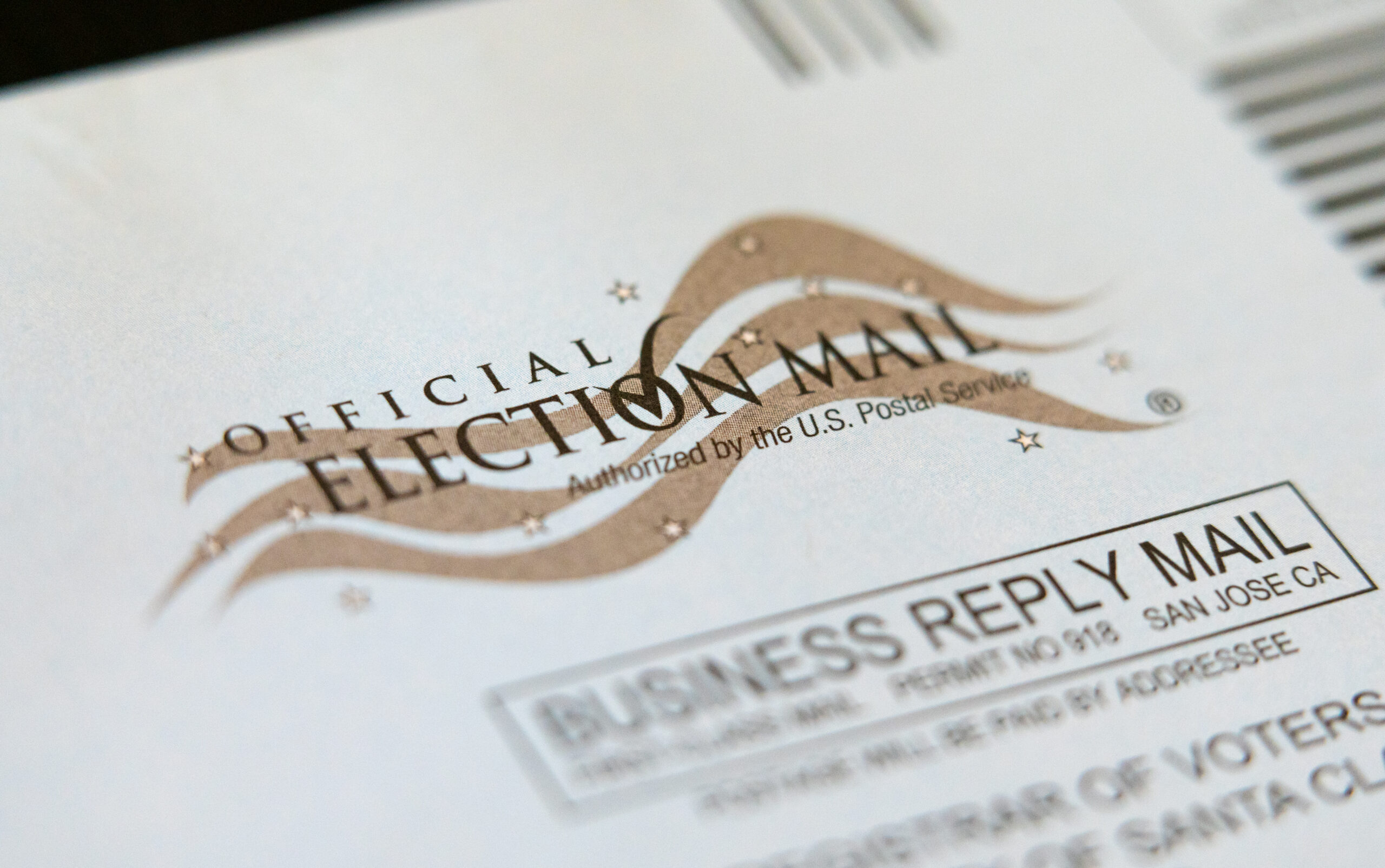
Before casting a vote, California voters should evaluate the Uber ballot initiative based on its concrete legal effects on accident victims, not its marketing language. Here are key steps every voter should take:
- Read neutral analyses. Review the Legislative Analyst’s Office report and official ballot arguments to understand fiscal impacts, including possible increases in Medi-Cal costs borne by California taxpayers.
- Consider who gains and who loses. Large insurers and corporations benefit from fewer and smaller payouts. Injured individuals and families may face reduced compensatory damages and higher personal medical bills.
- Understand the permanence. Once embedded in the California Constitution, the measure can be changed only by another statewide ballot initiative, unlike an initiative statute, which the legislature can amend.
- Look beyond the financial incentive behind campaign messaging. Both sides have a financial interest in the outcome. Seek out independent analysis before deciding.
- Consult a personal injury attorney. If you have questions about how the measure could affect a pending or future automobile accident case, speak with an attorney who can explain the implications under the new Uber laws and the proposed initiative.
Frequently Asked Questions About the Proposed California Ballot
Does the Uber ballot initiative only affect Uber and Lyft accidents?
No. While Uber is the main financial backer, the ballot measure covers all motor vehicle accident cases in California, including crashes involving private cars, trucks, motorcycles, and pedestrians. The contingency fee cap, 75% rule, and medical expense limitations would apply even if the at-fault driver had nothing to do with a rideshare company.
Will I still be able to hire the lawyer I want?
The proposed initiative does not explicitly forbid choosing a particular attorney. However, capping contingency fees may deter experienced trial lawyers from taking complex, high-cost cases, shrinking real-world options for car accident victims with serious injuries who need to retain counsel.
Could this lower my Uber fares or insurance premiums?
Uber argues the measure could ease pressure on insurance and fare costs by reducing legal costs. However, no language in the ballot measure guarantees savings will reach riders or drivers, and recent California data shows fares have risen despite earlier insurance requirement changes.
How would this affect my ability to get medical care after a crash?
Many accident victims rely on lien-based medical care, where providers agree to wait for payment until after settlement. Tying medical damages recovered to Medicare and Medi-Cal rates could make these arrangements unattractive to medical providers, leading to delays, difficulty finding specialists, and pressure to rely on public health systems for treatment.
How Uber Accident Lawyers Can Help
Attorney Jeff Car Accident Lawyer is a California-based plaintiff-side personal injury firm focused on helping car accident victims, Uber and Lyft passengers, pedestrians, and families pursuing wrongful death claims. The firm works on a contingency fee basis, meaning clients pay nothing upfront and owe no attorney fees unless a recovery is made.
The firm’s personal injury attorneys are committed to representing automobile accident victims and to monitoring changes in the legal system, including ballot initiatives and appellate decisions, to advise clients on how new rules may affect their claims.
Regardless of how this initiative progresses, injured people should contact a personal injury attorney as soon as possible after a crash to protect their rights under current law and meet California’s statute-of-limitations deadlines.
If you or a loved one has been injured in an Uber or other automobile accident, Jeff’s got you. Schedule a free consultation to learn how we can maximize your case.

Written By
Michelle Jaco
A content strategist and copywriter based in Orange County, she possesses over ten years of professional writing experience. A graduate of San Diego State University with a B.A. in English, she specializes in building brand identity and enhancing reader engagement, with expertise spanning legal content, software startup copy, and lifestyle branding. When she is not writing in her favorite coffee shop, Michelle is typically traveling, running along the beach, and indulging her sports fandom by cheering on the Kansas City Chiefs and Los Angeles Dodgers (she maintains that she is not a bandwagoner).