

 888-970-5729
 1300+
1300+















Victorville Office
Attorney Jeff Car Accident Lawyer
Victorville, CA 92395
If you were injured in a car accident, truck accident, motorcycle crash, slip and fall, dog bite, or another type of accident in Victorville or the surrounding High Desert, you may have questions about your medical bills, lost income, insurance claim, and legal rights.
Attorney Jeff Car Accident Lawyer represents people injured in personal injury accidents and provides free case evaluations from its Victorville office.
The goal of this page is to give you practical information about California personal injury claims, including how negligence works, what evidence can matter, how comparative fault can affect a claim, potential compensation, important deadlines, and what you can expect if you hire a personal injury attorney. If you need help with your personal injury case, Jeff’s got you.
Free Case Evaluation • No Upfront Attorney Fee • 24/7 Availability
Victorville Office
Attorney Jeff Car Accident Lawyer
Address: 15000 7th St., Suite 212-B
Victorville, CA 92395
Phone Number: (760) 389-1803
Table of Contents
Personal Injury Cases We Handle in Victorville
How Do I Know If I Have a Personal Injury Case?
What If I Was Partly at Fault?
What Should I Do After an Accident in Victorville?
What Can Be Compensated in a Personal Injury Case?
Who May Be Responsible for a Personal Injury?
How Long Do I Have to File a California Personal Injury Lawsuit?
How Does the Personal Injury Claims Process Work?
How Much Does a Personal Injury Lawyer Cost?
Legal Information Reviewed by Jeffrey Fayngor, Esq.
This page is provided by Attorney Jeff Car Accident Lawyer and is reviewed by Jeffrey Fayngor, Esq., founder of the firm.
Mr. Fayngor is an experienced personal injury attorney who earned his J.D. from Whittier College School of Law. The firm states that he has recovered more than $120 million for injured clients.
The information on this page is intended to provide general information about California personal injury law. It is not a substitute for legal advice about a particular accident or claim. California law can depend on the specific facts of a case, and deadlines and legal requirements can differ depending on the type of claim and the parties involved.
Last reviewed: SEPTEMBER 22, 2026
Personal Injury Cases We Handle in Victorville
Personal injury law covers many different types of accidents and injuries. Our Victorville personal injury practice includes claims involving:
- Victorville Bicycle Accidents
- Victorville Car Accidents
- Victorville Construction Accidents
- Victorville Dog Bites
- Victorville Elder Abuse
- Victorville Motorcycle Accidents
- Victorville Pedestrian Accidents
- Victorville Premise Liability
- Victorville Slip and Falls
- Victorville Truck Accidents
- Victorville Lyft and Uber Accidents
- Victorville Workplace-Related Injury Matters
- Victorville Wrongful Death Cases
- Other personal injury claims
The legal issues can be very different from one case to another. A rear-end collision, for example, may require a different investigation from a slip-and-fall claim involving a property owner or a claim involving a dangerous condition on public property.
That is why an injury claim should be evaluated based on its actual facts rather than assuming that every case follows the same process.
About Victorville and High Desert Personal Injury Claims
Our Victorville office serves injured people in Victorville and surrounding High Desert communities, including Hesperia, Apple Valley, and Adelanto.
A personal injury investigation may require more than reviewing an accident report. Depending on the circumstances, relevant evidence can include:
- Photographs and video of the accident scene
- Vehicle damage
- Surveillance footage
- Witness statements
- Police or incident reports
- Medical records
- Employment and wage records
- Insurance information
- Property-condition photographs
- Inspection and maintenance records
- Other documents or physical evidence related to the accident
For a motor-vehicle collision, the location and circumstances of the crash can affect what evidence needs to be preserved. For a premises-liability claim, issues can include the condition of the property, whether the owner or manager knew or should have known about a dangerous condition, inspections, warnings, and what was done to correct the problem.
The appropriate investigation depends on the facts of the individual case.
How Do I Know If I Have a Personal Injury Case?
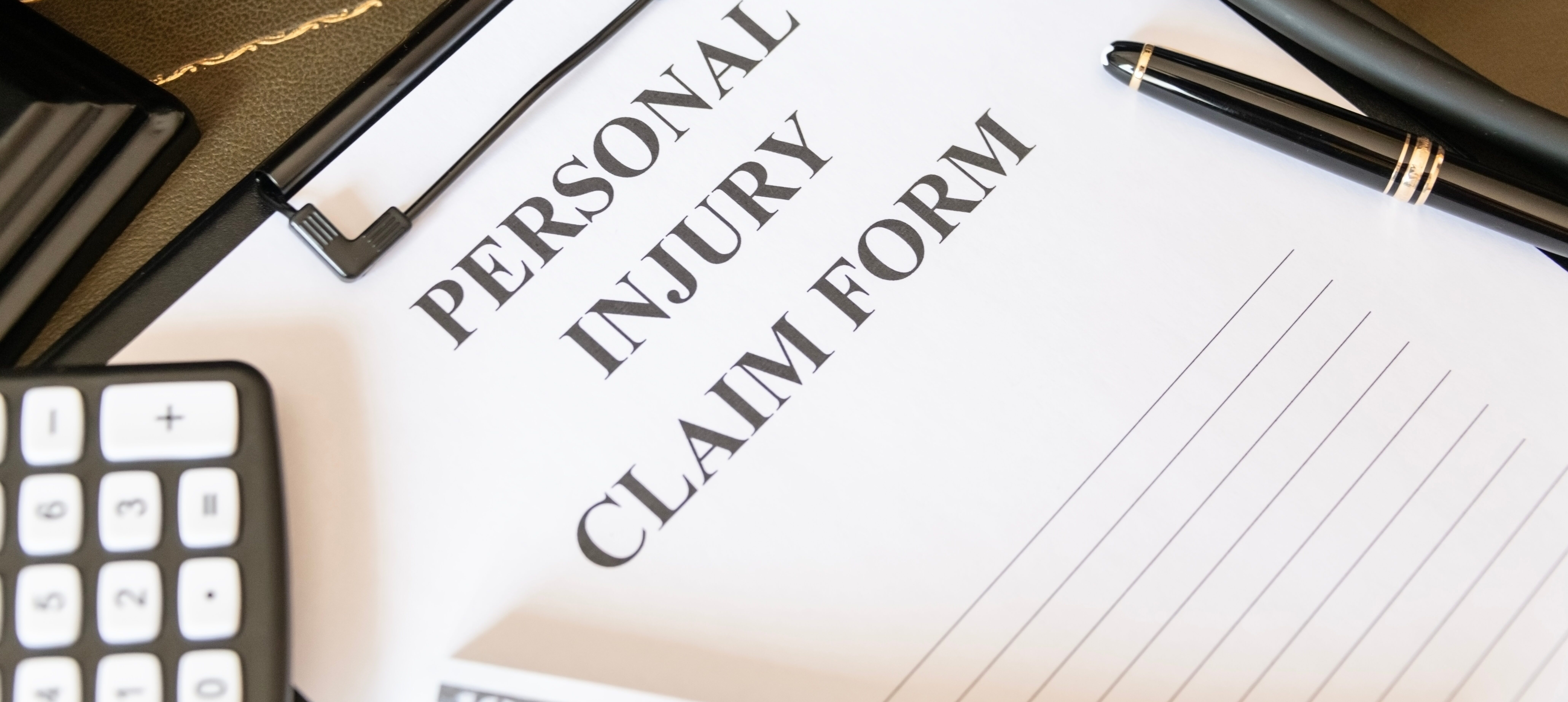
A personal injury claim may arise when someone is injured because another person or entity was legally responsible for causing the harm.
Many personal injury cases involve negligence. In general terms, negligence concerns whether someone failed to use reasonable care under the circumstances and whether that conduct caused legally compensable harm.
California’s Judicial Council Civil Jury Instructions, commonly called CACI, provide official civil jury instructions for use in California courts. CACI includes instructions addressing negligence, comparative fault, causation, damages, premises liability, and other civil claims.
How Is Negligence Proven?
A basic negligence case generally requires evidence concerning several issues, including:
1. The defendant’s conduct
The investigation begins with what the other person or entity did or failed to do.
2. Whether the conduct was negligent
The question can include whether the person or entity acted as a reasonably careful person or entity would have acted under the circumstances.
3. Causation
It must be established that the conduct at issue was legally connected to the injury.
4. Harm and damages
The claimant must establish the harm suffered and the damages that may legally be recovered.
The evidence required to address these issues depends on the type of case. A motor-vehicle collision may involve photographs, vehicle damage, witnesses, traffic evidence, and medical records. A premises case may require evidence concerning the condition of the property, inspections, notice of the hazard, and the property owner’s response.
California legal source: Judicial Council of California, Civil Jury Instructions (CACI), including CACI Nos. 400 and related negligence instructions.
What If I Was Partly at Fault?
Being partly responsible for an accident does not automatically prevent an injured person from pursuing a claim.
California follows a comparative-fault system. When an injured person is found to have some responsibility for the harm, the person’s recovery can be reduced according to the percentage of fault assigned.
For example, assume a jury determines that another party was responsible for an accident but also assigns 20% of the responsibility to the injured person. If the total damages awarded before applying comparative fault were $100,000, a 20% allocation of fault would reduce that amount to $80,000.
The actual allocation of fault depends on the evidence and circumstances of the case. Responsibility can also involve multiple defendants or other persons whose conduct contributed to the injury.
For that reason, it is important to preserve evidence that may help establish what happened, including photographs, video, witness information, accident reports, medical records, and other relevant documents.
Do not assume that being partly at fault means you have no claim. The effect of comparative fault should be evaluated based on the facts of the individual case.
California legal source: Judicial Council of California Civil Jury Instructions, including CACI Nos. 405 and Nos. 406.
What Should I Do After an Accident in Victorville?
The steps you take after an accident can affect your health, your records, and the evidence available later.
1. Get appropriate medical attention
If you are injured or experiencing symptoms after an accident, seek appropriate medical care. Follow your healthcare provider’s instructions and keep copies of relevant medical records and bills.
2. Report the accident when appropriate
Depending on the circumstances, you may need to notify law enforcement, a property owner or manager, an employer, an insurance company, or another responsible party.
Keep copies of reports and important communications.
3. Photograph the scene if it is safe
Photographs can document vehicle damage, visible injuries, road conditions, property conditions, signs, hazards, and other evidence that may change over time.
Never put yourself in danger to obtain photographs or other evidence.
4. Identify witnesses
If someone witnessed the accident, record the person’s name and contact information if possible.
5. Preserve documents
Keep medical bills, receipts, wage information, repair estimates, insurance correspondence, photographs, and other records related to the accident.
6. Be truthful about what happened
Provide accurate information when required. Avoid guessing about legal responsibility or the ultimate value of a claim before the facts have been investigated.
7. Do not ignore potential deadlines
Some claims have deadlines that are significantly different from the general deadline for a private-party personal injury lawsuit. Claims involving government entities can have special claim-presentation requirements.
8. Consider getting legal advice
If your injuries are significant, fault is disputed, an insurance company is challenging your claim, or a government entity may be involved, schedule a free consultation with an attorney who can review the circumstances and identify potentially important legal issues and deadlines. No upfront costs to you or your family. We strive to recover fair and equitable compensation for our clients.
Get Your Free Case Consultation
What Can Be Compensated in a Personal Injury Case?
Depending on the circumstances and applicable law, damages in a personal injury case may include economic and non-economic losses.
Medical expenses
A claim may involve reasonable and necessary medical expenses associated with the injury, including applicable treatment, rehabilitation, medication, medical equipment, and future medical needs.
Lost income
An injured person may have losses associated with missed work, reduced working capacity, or other qualifying effects on income.
Documentation can include pay records, tax documents, employer records, and other evidence relevant to the claimed loss.
Property damage and other out-of-pocket expenses
Depending on the case, recoverable losses may include qualifying property damage and other reasonable expenses associated with the injury.
Pain and suffering
California law permits recovery for certain forms of non-economic harm in appropriate personal injury cases, referred to as “pain and suffering.” Depending on the circumstances, this can include physical pain, emotional distress, loss of enjoyment of life, and other legally compensable effects of an injury.
Loss of consortium
In appropriate cases, a spouse or registered domestic partner may have a claim for loss of consortium, which includes companionship, affection, sexual relations, or other legally recognized aspects of the relationship.
Wrongful death damages
When a person dies because of another party’s wrongful act or negligence, certain surviving individuals or the decedent’s estate may have claims for legally recoverable damages. The specific damages and who may bring a claim depend on California law and the circumstances of the death.
Not every type of damage applies to every case. An attorney should review the specific facts before determining what losses may be recoverable.
Who May Be Responsible for a Personal Injury?
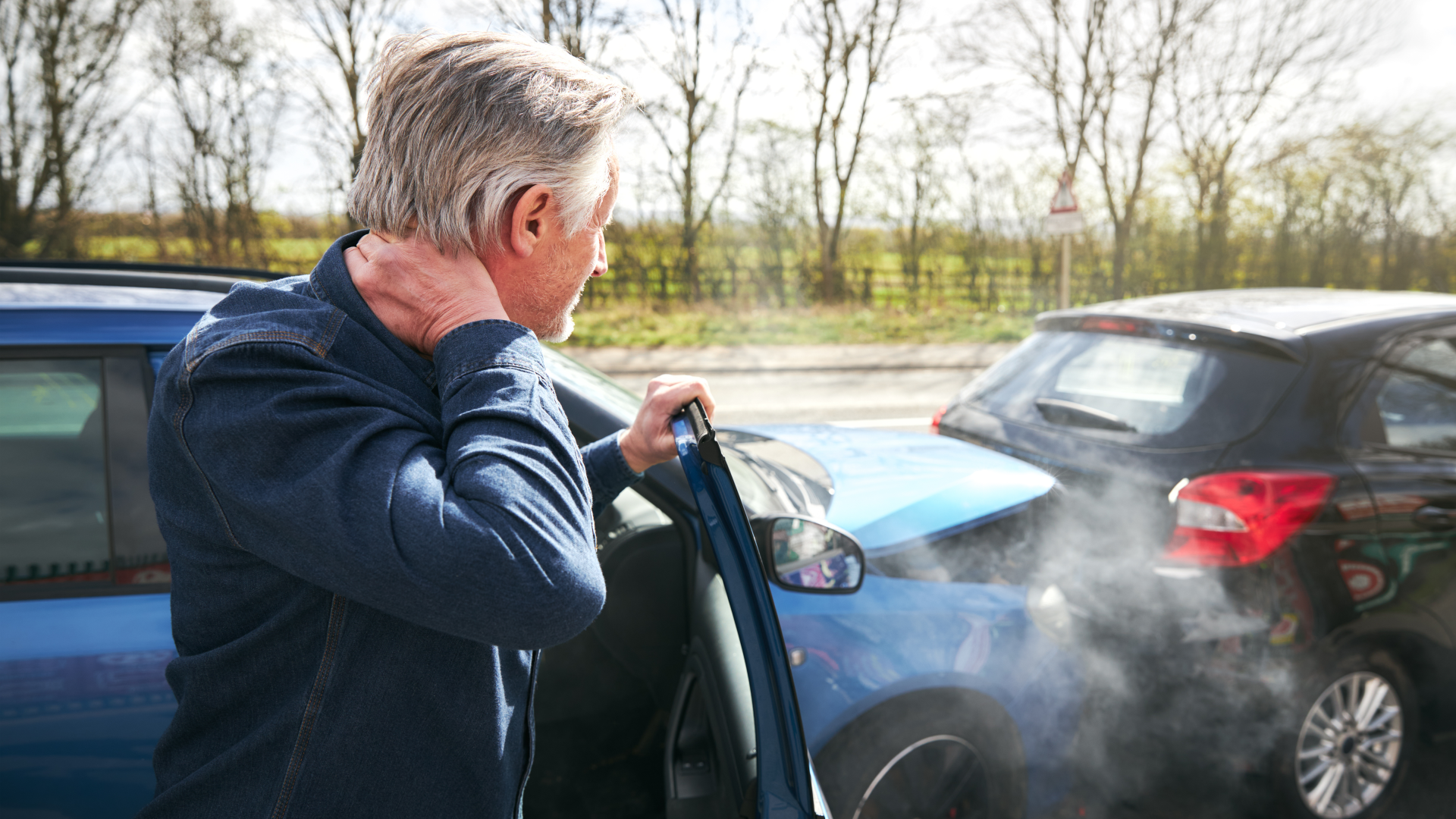
The potentially responsible party depends on how the injury occurred.
Depending on the facts, an investigation may involve:
- A negligent driver
- A vehicle owner
- An employer
- A property owner or manager
- A business
- A manufacturer or seller
- A dog or other animal owner
- A contractor or other third party
- A public entity
- Other individuals or organizations
More than one person or entity may potentially share responsibility for an injury.
Identifying the potentially responsible parties and determining what insurance coverage or other sources of recovery may apply can be an important part of investigating a claim.
What We Look At When Evaluating a Victorville Personal Injury Case
A personal injury case is not simply a question of how much an injury is worth.
Our evaluation may involve several separate issues.
Liability
Who may be legally responsible for causing the accident?
Evidence
What photographs, video, records, witnesses, physical evidence, or other information can establish what happened?
Causation
Can the available evidence connect the conduct at issue to the claimed injury?
Medical treatment
What injuries were diagnosed, what treatment was required, and what does the available medical information show about the person’s condition?
Financial losses
What medical expenses, lost income, property damage, and other qualifying losses resulted from the accident?
Non-economic harm
How has the injury affected the person’s physical condition, daily activities, relationships, or quality of life?
Comparative fault
Is another party alleging that the injured person or someone else contributed to the accident?
Deadlines
What statutes of limitations, claim-presentation requirements, or other deadlines apply?
Potentially responsible parties
Does the evidence indicate that more than one person, business, insurer, employer, property owner, manufacturer, or public entity may be involved?
The purpose of this evaluation is to identify the legal and factual issues that need to be investigated. The outcome of any individual case depends on its particular facts and applicable law.
How Long Do I Have to File a California Personal Injury Lawsuit?
California has statutes of limitations that restrict how long a person generally has to bring a lawsuit.
For many claims involving personal injury caused by the wrongful act or neglect of another, California Code of Civil Procedure section 335.1 provides a two-year period. This is a general rule, not a universal deadline for every injury claim.
The applicable deadline can depend on the type of claim, the identity of the defendant, when the claim accrued, and other circumstances.
Claims involving government entities can have different requirements
If the potentially responsible party is a public entity, special rules can apply.
California Government Code section 911.2 generally requires a claim relating to injury to a person or personal property to be presented within six months after accrual of the cause of action.
That government-claim process is different from simply filing an ordinary personal injury lawsuit. Additional deadlines and procedural requirements can apply after a government claim is presented or rejected.
Other circumstances can affect deadlines
Special rules may apply in situations involving minors, delayed discovery, medical negligence, government entities, or other specialized claims.
Do not use a general deadline on a website to calculate the deadline for your own case. Missing an applicable deadline can seriously affect your ability to pursue a claim.
If you have been injured, have an attorney review your circumstances as soon as reasonably possible.
Legal sources: California Code of Civil Procedure §335.1; California Government Code §911.2; other applicable California statutes and authorities.
How Does the Personal Injury Claims Process Work?
Every case is different, but a personal injury claim may involve several stages.
1. Initial Case Evaluation
We review the circumstances of the accident, potential responsible parties, available evidence, injuries, damages, insurance issues, and potentially applicable deadlines.
The purpose is to determine what legal and factual issues require further investigation.
2. Investigation and Evidence Gathering
Depending on the case, our team may gather photographs, accident reports, medical records, surveillance footage, witness information, insurance information, and other relevant evidence.
Some cases may also require assistance from qualified experts, such as accident reconstruction or other specialists, depending on the issues involved.
3. Medical Treatment and Documentation
Medical treatment and documentation can be important evidence in an injury claim. We work with clients to understand the medical information relevant to the claim and to document applicable losses.
4. Insurance Claim and Settlement Discussions
After the relevant evidence and damages have been evaluated, a claim may be presented to the applicable insurance company.
A settlement demand can include evidence concerning liability, medical treatment, lost income, other economic losses, and applicable non-economic damages.
Settlement is not appropriate for every dispute, and an insurance company’s initial position does not necessarily determine the value or outcome of a claim.
5. Litigation When Necessary
If a claim cannot be resolved through negotiation, litigation may become necessary.
A lawsuit can involve pleadings, discovery, depositions, expert testimony, medical examinations where legally applicable, motions, mediation, and potentially a trial.
6. Resolution
A case may conclude through a settlement, judgment, or another legal resolution.
If a settlement or judgment results in a recovery, the applicable fees, case expenses, liens, and other obligations must be addressed before funds are distributed.
Our role is to explain the available options and help clients make informed decisions throughout the process.
How Much Does a Personal Injury Lawyer Cost?

Attorney Jeff Car Accident Lawyer handles personal injury matters on a contingency-fee basis.
This generally means you do not pay an attorney fee upfront for the firm’s legal representation. The attorney fees are generally based on the outcome of the case.
The specific fee arrangement, including the percentage charged and how case-related costs and expenses are handled, should be explained in the written representation agreement before you hire the firm.
During the initial consultation, ask questions about:
- The attorney-fee percentage
- When the fee is earned
- How case expenses are handled
- What happens if the case is unsuccessful
- How settlement proceeds are distributed
- Whether liens or other claims against a recovery may apply
Review the written fee agreement carefully and ask about anything you do not understand before signing.
Frequently Asked Questions About Victorville Personal Injury Cases
Do I need a lawyer after a car accident?
Not every accident requires an attorney. However, legal representation may be particularly useful when injuries are significant, fault is disputed, multiple parties may be responsible, an insurance company disputes the claim, or important legal deadlines may apply.
What if the insurance company says I was at fault?
An insurance company’s position is not necessarily the final determination of legal responsibility. Evidence such as photographs, video, witness statements, accident reports, vehicle damage, and other records can be relevant when evaluating fault.
What if I was partly responsible for the accident?
California’s comparative-fault rules can allow a person to pursue a claim even when that person is found partly responsible, although the recovery may be reduced according to the person’s assigned percentage of fault.
How much is my personal injury case worth?
There is no reliable single dollar amount that applies to every injury. Potential value can depend on liability, the nature and severity of the injuries, medical treatment, future medical needs, lost income, other economic losses, non-economic harm, comparative fault, insurance coverage, and other facts.
An attorney should review the actual evidence before giving an opinion about a particular claim.
What if I cannot afford a lawyer?
Our personal injury cases are handled on a contingency-fee basis, meaning no upfront attorney fee is generally required. The specific terms should be explained in the written representation agreement.
What if the accident happened on someone else’s property?
A premises-liability claim may involve questions about the condition of the property, whether the property owner or manager knew or should have known about a dangerous condition, whether reasonable precautions were taken, and whether the condition caused the injury.
What if a dangerous condition was obvious?
An “obvious” condition does not automatically answer every liability question. The circumstances matter, including what the property owner knew, what precautions were reasonable, and whether the condition caused the injury.
What if a government agency is involved?
Special rules can apply to claims against public entities. A claim involving injury to a person or personal property generally must be presented within six months under California Government Code section 911.2, subject to applicable law and exceptions.
Because government claims have additional procedural requirements, seek legal advice promptly if a city, county, state agency, school district, transit agency, or other public entity may be involved.
What if a loved one died because of an accident?
A wrongful-death claim may be available in appropriate circumstances. Who may bring the claim and what damages may be recovered depend on California law and the facts of the case.
Should I speak with the other driver’s insurance company?
You should provide truthful information when required, but you should be careful about making statements about fault, the extent of your injuries, or the value of your claim before you understand the relevant facts and legal issues.
If the claim is disputed or the injuries are significant, consider obtaining legal advice before making substantive statements about the claim.
Why Choose Attorney Jeff for a Victorville Personal Injury Case?
Our firm focuses on representing people who have suffered injuries and losses.
When you contact our Victorville office, our team can:
- Review the circumstances of your accident
- Identify potentially responsible parties
- Discuss potentially applicable deadlines
- Explain the claims process
- Help identify evidence that may be important
- Communicate with insurance companies when appropriate
- Explain your legal options
- Pursue negotiation or litigation when appropriate
The firm’s founding attorney, Jeffrey Fayngor, Esq., is an experienced personal injury attorney who earned his J.D. from Whittier College School of Law. The firm states that Mr. Fayngor has recovered more than $120 million for injured clients.
Past results do not guarantee a future result. Every personal injury case is different, and no attorney can guarantee a particular recovery.
Schedule a Free Victorville Personal Injury Consultation
If you or a loved one has been injured because of an accident, you do not have to figure out the legal process alone.
Contact Attorney Jeff Car Accident Lawyer for a free case evaluation. We can review what happened, discuss the evidence and potential legal issues, and explain the options that may be available based on the information you provide.
Victorville Office
Attorney Jeff Car Accident Lawyer
Address: 15000 7th St., Suite 212-B
Victorville, CA 92395
Phone: (760) 389-1803
Free Case Evaluation
No Upfront Attorney Fee for Personal Injury Representation
Contact us today to discuss your situation.
California Legal Resources
The following resources can help readers learn more about the California legal rules discussed on this page:
Judicial Council of California Civil Jury Instructions (CACI)
CACI is the Judicial Council of California’s official set of civil jury instructions. The current resource identifies the 2026 edition as the current edition.
Relevant instructions include those addressing negligence, comparative fault, causation, damages, premises liability, and other civil claims.
California Code of Civil Procedure §335.1
Section 335.1 provides a two-year limitations period for an action for assault, battery, injury to, or death of an individual caused by the wrongful act or neglect of another, subject to applicable law and exceptions.
California Government Code §911.2
Section 911.2 generally requires claims involving injury to a person or personal property against a public entity to be presented within six months after accrual, subject to applicable law and exceptions.
Legal rules can change. Readers should consult the current statutes and obtain legal advice regarding their particular circumstances.
Attorney Review and Editorial Updates
Reviewed by: Jeffrey Fayngor, Esq.
Position: Founder, Attorney Jeff Car Accident Lawyer
Practice: Personal Injury
Last substantively reviewed: SEPTEMBER 22, 2026
This page contains general legal information and is not legal advice. The law can change, and the application of a legal rule depends on the facts of a particular case.
If you believe you have a personal injury claim, consult a licensed attorney regarding your specific circumstances.
Attorney Jeff Car Accident Lawyer
15000 7th St., Suite 212-B
Victorville, CA 92395
(760) 389-1803
Free Case Evaluation

About the Author
JEFFREY FAYNGOR, ESQ.
Jeffrey Fayngor is the founder of Attorney Jeff Car Accident Lawyer and an experienced personal injury attorney dedicated to representing accident victims. He earned his J.D. from Whittier College School of Law and has recovered over $120 million for injured clients. He has built his practice around helping injury victims protect their rights and pursue the compensation they deserve.