

 888-970-5729
 1300+
1300+- May Is Wildfire Awareness Month – Why This Matters So Much in California
- Helpful Tips to Plan and Prepare Before Fire Season
- Practical Ways to Prepare Your Home for Fires
- Everyday Actions to Prevent Wildfire Risks
- Wildfires, Personal Injury, and Your Legal Rights in California
- How Negligence Is Determined in Fire Damage Claims
- Staying Informed All Year: Wildfire Outlook and Resources
- Schedule a Free Consultation if You’ve Been Affected by Fire Damage
Studies show that human activity is shockingly responsible for 85% of all wildfires. This means that with the right education and prevention strategies, the vast majority of these disasters could be avoided.
Wildfire Awareness Month serves as a critical reminder for California residents to take action before disaster strikes. With wildfire season increasingly extending year-round, understanding how to prevent fires, effectively protect the home, and know your legal rights in the event of a disaster has never been more important.
If you or a family member suffered injuries during a wildfire, evacuation, or from smoke exposure, schedule a free consultation with Attorney Jeff today to understand your legal options.
May Is Wildfire Awareness Month – Why This Matters So Much in California
May marks the transition point when moisture levels drop, making the landscape, forests, and wildlife increasingly more susceptible to the consequences of a fire outbreak.
Wildfire Awareness Month is recognized as a time to prepare the public for the impact careless fires have on local neighborhoods.
The campaign traces back to the early 2000s, when federal agencies coordinated responses to devastating fire seasons.
By 2010, the National Fire Protection Association formalized Wildfire Community Preparedness Day, partnering with the U.S. Forest Service and BLM to expand awareness into a month-long initiative. Today, Cal Fire, state emergency offices, and tribes participate in nationwide outreach.
While May is the formal awareness month, wildfire risk is now an ongoing concern throughout the state, especially in the warmer summer months of June through August. California has faced record-breaking wildfire seasons that fundamentally changed how residents think about risk.
In 2020 alone, wildfires burned over 4.3 million acres, destroying more than 10,000 homes and causing 31 deaths. Approximately 3 million Californians live in high-risk zones, and even urban and suburban communities once considered safe now face increasing danger.
Helpful Tips to Plan and Prepare Before Fire Season
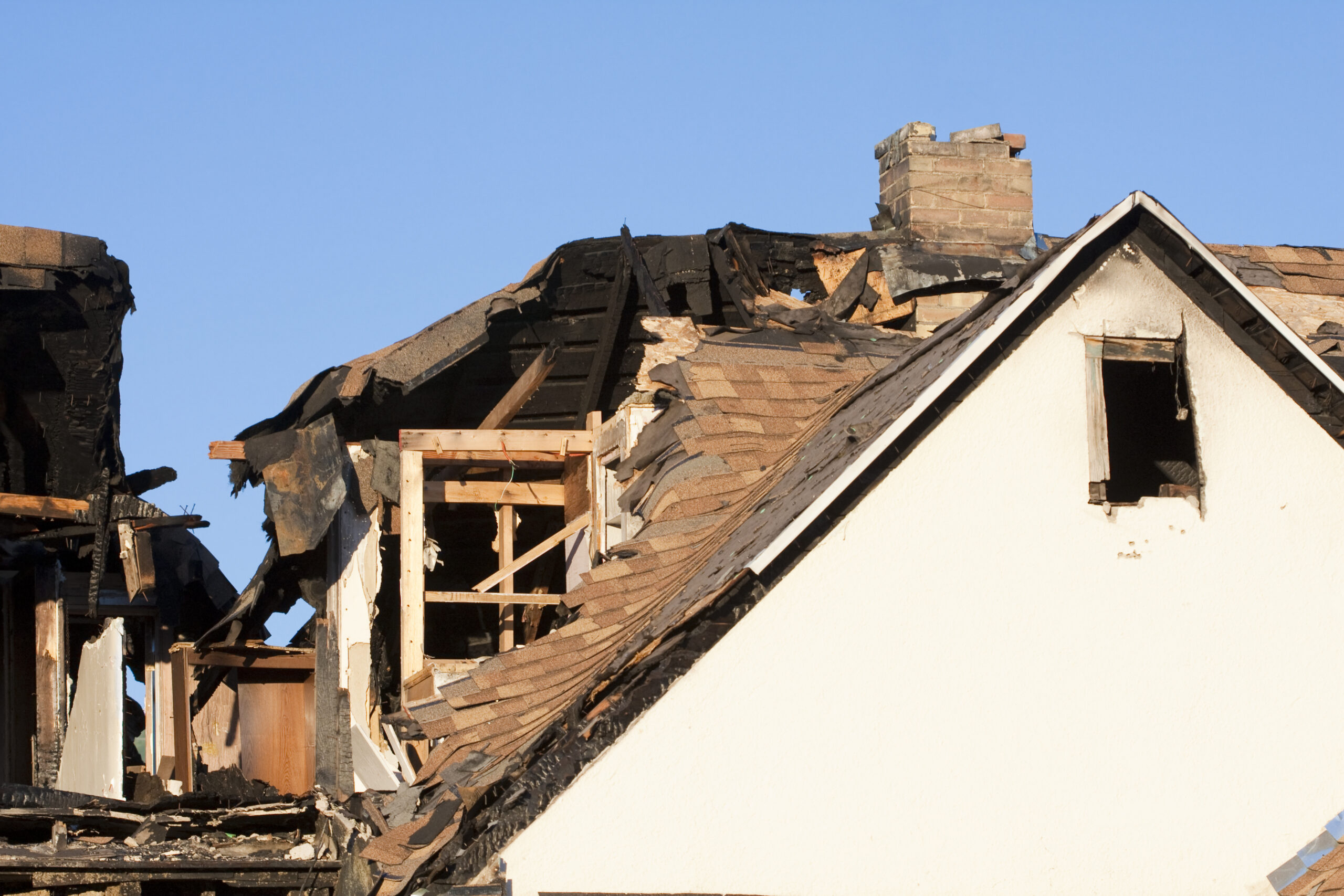
Learn how to protect your home with these helpful tips.
1. Create a Written Family Evacuation Plan
Make an emergency plan that includes multiple local evacuation routes and ensures all family members, including pets, know what to do. Cal Fire endorses the “Ready, Set, Go!” framework:
- Ready: Create your plan and emergency kit.
- Set: Pack belongings, load vehicles, stay alert.
- Go: Evacuate immediately when ordered.
2. Assemble Your Emergency Kit
Keep a go-bag near an exit door, including medications (one-week supply), copies of important documents, N95 masks, water (one gallon per person per day for three days), first aid supplies, portable chargers, cash, and pet supplies. Don’t forget items for elderly family members or those with special needs.
3. Sign Up for Local Alerts
Sign up for alerts within your county. Additionally, enable emergency alerts on your smartphone and monitor wildfire smoke and air quality in real time.
4. Review and Update Your Insurance Coverage Accordingly
Homeowners should review their insurance policies to ensure they are up to date and adequately cover their current home and any upgrades made since the policy was purchased. Key coverage areas to check include:
- Dwelling coverage matching current rebuild costs (often $500,000+ in California)
- Personal property coverage for belongings
- Additional Living Expense (ALE) coverage for temporary housing during displacement
- Extended replacement cost provisions
Get Your Free Case Consultation
No upfront costs to you or your family. We strive to recover fair and equitable compensation for our clients.
Practical Ways to Prepare Your Home for Fires
Flying embers contribute to major home losses in wildfires. Most homes ignite from embers, not direct flames, making preparation before an accident occurs absolutely essential.
Creating Defensible Space Zones
To create defensible space, maintain a 30 to 100-foot zone around your home by removing dead plants and thinning out vegetation. Cal Fire guidelines break this into two zones:
Zone 1 (0-30 feet from structures):
- Remove all dead plants and debris
- Keep grass mowed to 4 inches or less
- Space shrubs and trees so flames can’t spread directly between them
- Clean leaves from decks and patios
- Keep firewood at least 30 feet away
Zone 2 (30-100 feet from structures):
- Create spacing between trees (10 feet between crowns)
- Remove dead wood and ground debris
- Reduce dense vegetation that could carry fire
Keep flammable debris, such as dead leaves, at least 30 feet away from the home and use fire-resistant materials if building or renovating. Proactive preparedness also includes clearing gutters, removing flammable debris, and creating evacuation plans to protect against wildfires.
Home Hardening Steps
Upgrade to Class A roofing, install 1/8-inch wire-mesh screens over vents to block embers, use multi-pane tempered glass windows, and choose non-combustible siding, such as stucco.
Maintain a 5-foot non-combustible zone immediately adjacent to your house, and replace mulch with gravel, remove wood piles, and use concrete pavers. This simple change can effectively reduce the risk of ember ignition.
Everyday Actions to Prevent Wildfire Risks
Since most fires are caused by human activity, seemingly simple daily decisions can have a significant impact on preventing an accident.
- Campfires: Fully extinguish with water until cold, never leave a campfire unattended, and check local fire restrictions before any outdoor outing.
- Vehicles and tools: Install spark arrestors on chainsaws and mowers, never park on dry grass where catalytic converters can ignite vegetation, and secure trailer chains.
- Fireworks: Follow local burn bans, avoid use during red flag warnings, keep a water hose or bucket handy, and ensure used fireworks are fully extinguished.
- Community vigilance: Report suspicious smoke or illegal burning to your local fire department or 911.
Wildfires, Personal Injury, and Your Legal Rights in California

Beyond property loss, wildfires can cause serious burns, smoke inhalation injuries, crash injuries during evacuation, and even wrongful death. When another party’s negligence contributes to these harms, California law provides avenues for victims to seek compensation.
Common Wildfire-Related Injury Scenarios
Attorney Jeff Car Accident Lawyer has managed cases where wildfires lead to varying personal injury claims under the following circumstances:
- Car accidents during chaotic evacuations when drivers panic or drive recklessly
- Blocked exits where property owners failed to maintain clear emergency access
- Utility-caused fires from negligent equipment maintenance (faulty power lines, transformers, and transmission equipment)
- Unsafe evacuation routes where poor road maintenance or inadequate signage contribute to accidents
- Premises liability when poorly maintained properties catch fire and injure visitors or neighbors
- Slip and fall accident injuries at smoky, poorly lit premises during evacuation
- Pedestrian injuries when visibility is compromised by smoke
Wildfire smoke can worsen existing health conditions such as asthma and heart disease, affecting individuals even far from the flames. These smoke-related health impacts can form the basis of claims when negligence caused or worsened the fire situation.
Relevant Practice Areas
Personal injury law applies to fire-related cases when involving the following circumstances:
- Car accidents during evacuations
- Pedestrian accidents in smoke-filled areas
- Slip and fall injuries at evacuation centers or damaged properties
- Workers’ compensation for firefighters and workers injured during fire response
- Wrongful death claims when lives are lost due to negligence
How Negligence Is Determined in Fire Damage Claims
A California personal injury attorney evaluates whether another party’s negligence contributed to wildfire-related harm by:
- Reviewing fire investigation reports from Cal Fire and local agencies
- Analyzing utility maintenance records and CPUC audits
- Examining property safety measures and code compliance
- Consulting with fire behavior experts and medical professionals
- Documenting the chain of causation from negligence to injury
California tort law under Civil Code §1714 establishes liability standards, and courts have upheld inverse condemnation claims against utilities without requiring proof of specific negligence in the causation of fires.
Staying Informed All Year: Wildfire Outlook and Resources
While May is Wildfire Awareness Month, California’s wildfire season now often runs much longer, making year-round awareness essential. Conditions can change quickly with wind and heat, so residents should monitor local alerts rather than relying solely on seasonal forecasts.
Seasonal Outlook Resources
Each year, agencies such as Cal Fire and the National Interagency Fire Center release seasonal wildfire outlooks that Californians can review to understand current risk levels. These predictions consider:
- Current drought conditions
- Snowpack levels
- Long-term weather forecasts
- Vegetation moisture content
Recent forecasts have indicated above-normal risk for California due to persistent drought and climate-driven heat.
Schedule a Free Consultation if You’ve Been Affected by Fire Damage
Attorney Jeff Car Accident Lawyer is a California personal injury law firm representing individuals and families harmed by negligence, including wildfire-related injuries. Our California fire damage lawyers serve clients throughout Northern and Southern California with offices across the state.
Our experienced personal injury attorneys support wildfire victims through comprehensive legal representation, offering:
- Investigating fire causes using official reports, utility records, and expert analysis
- Identifying all responsible parties, including utilities, contractors, property owners, and government entities
- Coordinating with fire behavior experts to establish causation
- Documenting injuries and losses for maximum compensation
- Negotiating with insurance companies that may undervalue claims
Remember: Jeff’s got you. Schedule a free case evaluation today.

Written By
Michelle Jaco
A content strategist and copywriter based in Orange County, she possesses over ten years of professional writing experience. A graduate of San Diego State University with a B.A. in English, she specializes in building brand identity and enhancing reader engagement, with expertise spanning legal content, software startup copy, and lifestyle branding. When she is not writing in her favorite coffee shop, Michelle is typically traveling, running along the beach, and indulging her sports fandom by cheering on the Kansas City Chiefs and Los Angeles Dodgers (she maintains that she is not a bandwagoner).